What Happens on a Shoot Day in South Florida, Hour by Hour
A South Florida shoot day walked through hour by hour, from load-in and lighting to the shots, the interviews, drone coverage, and wrap.
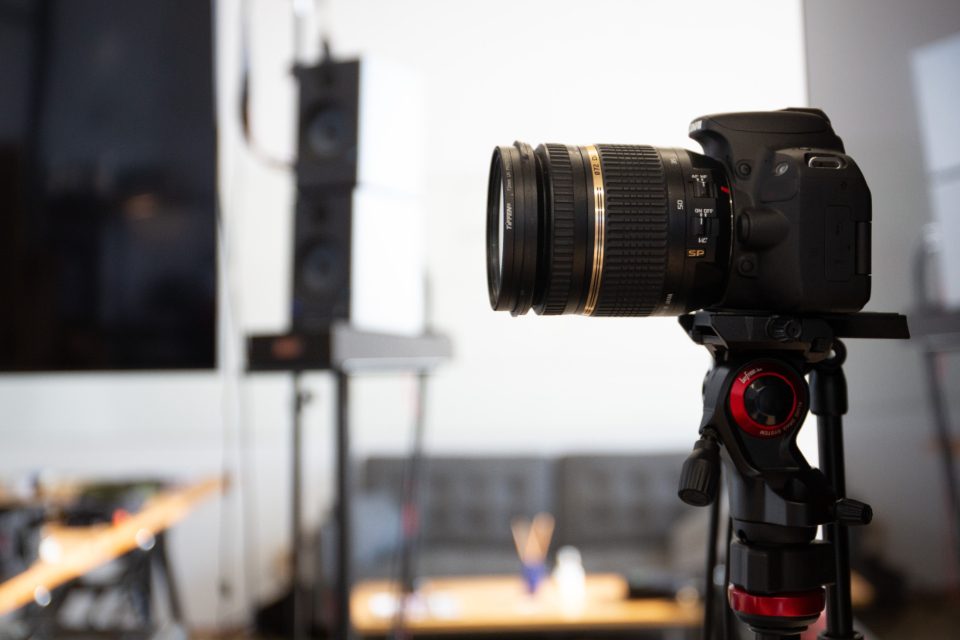
You booked the shoot, and now you are trying to picture the day: ten hours of a crew in your space. Ask a business owner what a shoot day is and you hear "the day we make the video." Ask the crew and you hear a run of timed setups, each one lit and reset before the next. This piece walks the crew's version of the day, hour by hour.
We are Mile 1 Media, a video production studio in Palm Beach Gardens that builds monthly video systems and one-off shoots for service businesses across South Florida. The same question lands on almost every discovery call: what happens for those ten hours, and where does the time go. We run these days often enough to know which hours move fast and which ones eat the schedule.
The short version of a shoot day
A standard shoot day runs about ten hours front to back. The first two hours go to load-in and lighting, the middle five to the actual shots and interviews, and the last two to detail coverage and wrap. A South Florida crew of two to four people covers a brand film or a batch of short-form in one day when the plan is locked before anyone arrives.
The setup hours feel slow to a first-time client, because nothing is being filmed yet. That slow start is what makes the filmed hours fast, and a crew that lights a space well at 8 a.m. shoots clean footage all day.
Before the crew arrives, the call sheet sets the day
Most of the day is decided the week before it happens. By the time the crew loads in, the shot list, the schedule, and the location are fixed on a call sheet everyone works from. Our guide on how to prepare for your first commercial video shoot covers the client side of that prep. On the day, the call sheet names each setup, its time budget, and who is needed on camera when. A shoot day with no call sheet finishes two setups short of the list.
7:30 a.m. Load-in and the lighting no one sees on screen
Take a Palm Beach Gardens HVAC company booking one day for a brand film plus a month of short-form cuts. The crew arrives at 7:30 with cases of lighting, grip gear, audio kit, and cameras. The first 90 minutes go to power, lighting, and sound, not to filming. In a South Florida summer that also means finding a space the air conditioning keeps cool without the vents roaring over the audio. By 9 a.m. the first setup is lit and nothing usable is recorded yet.
9:00 a.m. The first setup and the first real shot
The first block is the hero shot, the one the whole piece is built around. For the HVAC brand film that is the owner on camera, talking about how the company answers a July call across Palm Beach County when a family has no cooling. The camera is a cinema body from a maker like Sony, run on a tripod for the interview and a gimbal for the moving shots. The first hour on camera sets the look for everything after it, and the crew matches every later setup to that hero shot.
11:00 a.m. B-roll and the details that sell the service
The middle of the day is coverage, shot close and shot often. On the HVAC day that is the technician pulling into a Jupiter driveway, the hands on the unit, the gauge reading, the van door closing. None of it is scripted, and all of it is what a viewer watches while the interview audio plays underneath. A single strong afternoon of detail shots becomes a month of vertical cuts, because each clip stands on its own. It feeds the most posts of any block, and it is the first thing cut when the morning ran long.
12:30 p.m. Lunch, and why the schedule protects it
Lunch is 30 minutes on the call sheet and it is not optional. The break lets the client review the morning footage on a monitor and flag anything before the setups are struck. Finding that same problem later in the edit costs a reshoot.
How a corporate video production day runs differently
On a corporate shoot the variable is people, not setups. Executives arrive in booked windows, so the schedule bends around who is free at 10 a.m. and who has 30 minutes at 2 p.m. Our corporate video production days are built backward from those windows, with the lit interview set ready so a leader walks in, sits, and is filmed inside their slot.
Where a commercial video production day gets tighter
A commercial or ad spot compresses more coverage into the same hours, so the clock runs harder. There is often talent, a tighter script, and a set that has to be dressed and reset between shots. Our commercial video production days carry a larger crew for that reason, because a director, a camera operator, and a gaffer working in parallel is the only way to hold the schedule. That staffing is why a commercial day sits at the top of the range.
3:00 p.m. Interviews and the talking-head block
Sit-down interviews land in the afternoon by design, once the room is warm and the subject has watched the crew work all morning. A relaxed subject at 3 p.m. gives better answers than a nervous one at 9 a.m. The setup is a lit two-camera frame, a lav mic, and questions the subject saw in advance. The goal is answers that stand alone, so the edit never depends on hearing the question.
4:30 p.m. Drone and exterior coverage in the good light
Exterior and aerial shots run late, when the South Florida light softens and the harsh midday glare is gone. A licensed operator flies under the FAA's Part 107 rules, which govern commercial drone work near people and roads. For the HVAC brand, that is a slow aerial push over the building and a ground shot of the van pulling away.
What our production services cover on the day
A full shoot day bundles the crew and the gear into one block, with lighting, audio, and direction in the same number. Our video production services spell out what a day covers, so everything happens under one plan instead of stitching together separate contractors.
What a shoot day costs, and where the pricing sits
The number on a shoot day tracks the deliverable, not the raw hours. A brand film and a commercial can both take one day and cost different amounts, because the crew size and the edit that follows are different. Our published video production pricing lists the ranges by project type, and the table shows where a single day tends to land.
| Shoot type | Typical range | What a day covers |
|---|---|---|
| Brand film | $3,500 to $8,000 | One hero film plus supporting B-roll, small crew |
| Commercial or ad spot | $5,000 to $15,000 | Scripted spot, larger crew, dressed set, talent |
| Event coverage | $3,500 to $7,000 | Full-day capture of a live event, recap edit |
| Testimonial | $1,500 to $3,500 | Interview-led customer story, short setup |
| Aerial or drone add-on | $800 to $2,000 | Licensed drone coverage layered onto a shoot |
| Monthly content system | $3,200 to $6,500/month | Recurring shoot days feeding a month of cuts |
Deliverable count and crew size are the two variables that move the number.
5:30 p.m. Wrap, and what happens to the footage
Wrap is the reverse of load-in, and the last task on site is the data offload. Every card gets copied to two drives before anyone leaves, because footage in one place is footage one drop can erase. Within a day or two it goes up to a review tool like Frame.io, where you leave time-coded notes instead of writing "the part around the middle."
The editor works in a program such as DaVinci Resolve from Blackmagic Design, matching color across every setup so the morning hero shot and the afternoon interview read as one film. The long film goes to a landing page and to YouTube, and the vertical cuts go to the feeds.
Quotable: The filmed hours are fast because the setup hours were slow. Skip the setup and you pay for it in the edit.
Who a full shoot day is wrong for
A full production day is the wrong tool for a single 30-second clip and nothing else. If you need one quick announcement and no plan to post again for a month, a booked crew is more than the job calls for, and a well-lit phone clip covers it for far less. A shoot day pays off when there is a real list to capture and a plan to publish it over weeks.
Reviewed by the Mile 1 Media production team. Last reviewed 25 August 2026.
Frequently asked questions
How many people are on a shoot day crew?
Usually two to four. A brand film or a testimonial runs with a two-person crew, one on camera and one on lighting and audio. A commercial or a multi-setup corporate day adds a director and a gaffer, because more setups in the same hours need more hands.
Is one shoot day enough for a month of content?
Yes, when the day is planned for batching. A day built around a hero film plus heavy B-roll and a few interviews yields one long piece and a dozen or more short-form cuts. The limit is not camera time, it is how many distinct scenes fit inside ten hours.
What happens if we run behind schedule?
The call sheet gets triaged. The crew protects the hero shot and the interviews first, because those are hardest to reshoot, and trims the detail B-roll that can be picked up faster another time. This is why the plan ranks setups by priority before the day starts, so a rushed day drops the right shots and keeps the ones that matter.
Do we need to be on camera the whole day?
No. On-camera people are called for their blocks, often a two to three hour window for interviews and hero shots. The rest of the day is B-roll the crew handles without you, and on a corporate shoot the on-camera windows are tighter still.
What if the weather turns during an outdoor shoot?
The day reorders. South Florida afternoons bring fast storms in summer, so the plan front-loads exterior and drone work into clear windows and moves interior setups to the wet hours. A crew that watches the radar rarely loses the whole day to one squall.
Related reading
- How Much Does Video Production Cost in South Florida? The full pricing picture behind a single shoot day.
- Why Every South Florida Business Needs Testimonial Videos One of the highest-return blocks to add to a day.
- 5 Ways Video Marketing Helps South Florida Small Businesses Grow What the footage does once the day is done.
Where to start
If you are booking your first shoot, the thing to get right is a locked call sheet before the day. If you already shoot regularly, the thing to protect is the morning setup hours, because that is where a rushed day loses its afternoon. If a shoot is on your calendar this quarter, a 20 minute discovery call covers the plan before the crew is booked.
Keep reading


Ready to put video to work for your business?
Mile 1 Media plans, shoots and edits video for South Florida businesses. Tell us what you are trying to achieve and we will map out the shoot.
Book a free discovery call