Why Every South Florida Business Needs Testimonial Videos
Testimonial videos turn happy customers into your best salespeople. Here is why they convert, what makes one effective, where to use them, and how to ask.
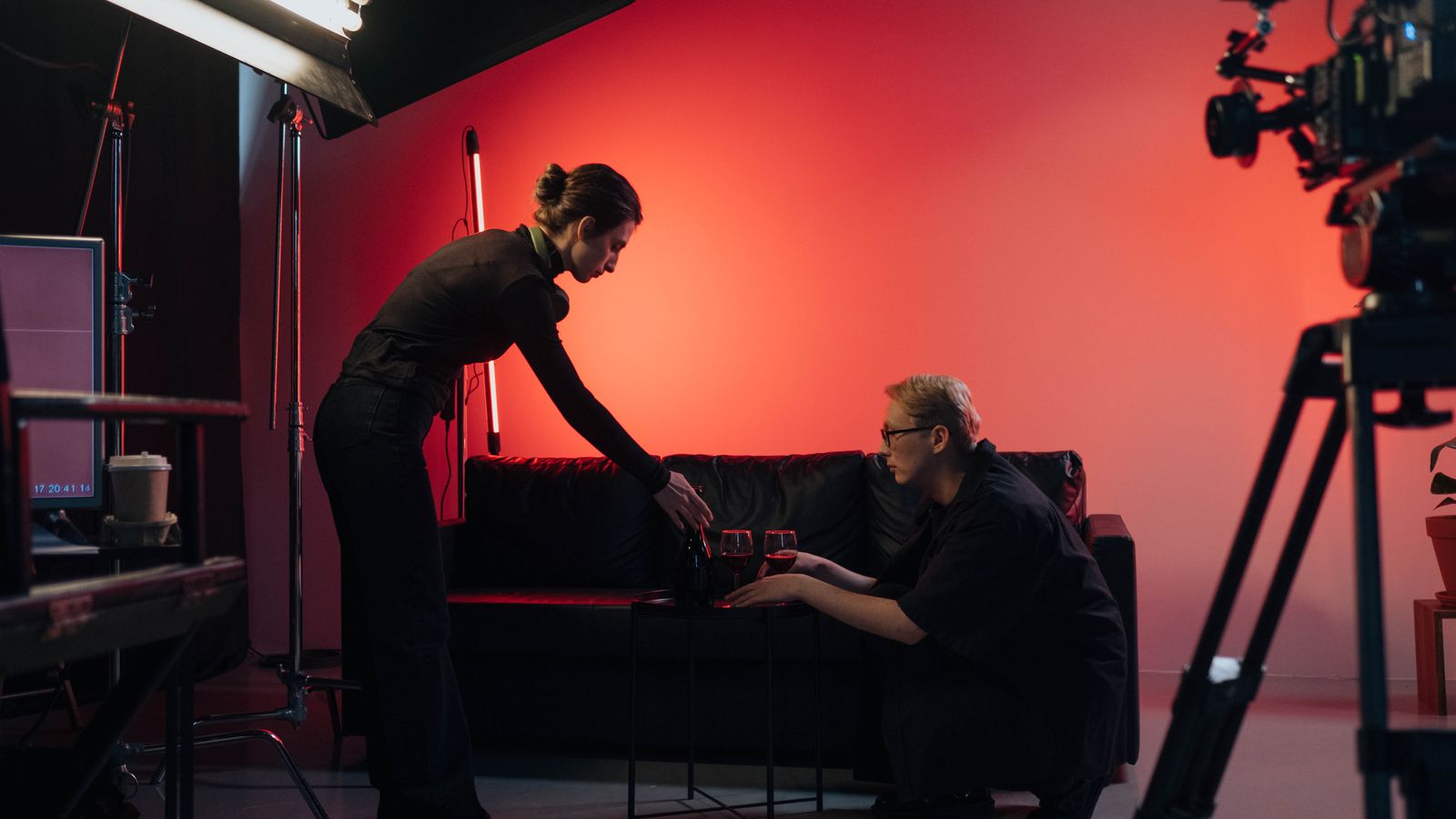
Every business owner in South Florida knows that word of mouth is still the most powerful form of marketing. People trust recommendations from other people more than they trust any ad, any brochure, or any sales pitch. Testimonial videos take that word-of-mouth dynamic and scale it. They put a real customer in front of every visitor who lands on your website, your social profiles, or your Google Business Profile, and they keep doing it around the clock without you having to be in the room.
Key takeaways
- Video testimonials outperform written reviews because viewers read tone, body language, and sincerity in a way text cannot convey.
- The most effective testimonials name a specific problem and a specific result, run 60 to 90 seconds, and look clean rather than overproduced.
- Placement matters as much as production. Service pages, paid social, email sequences, and sales proposals are the highest-return spots.
- Most South Florida businesses can capture three to five usable testimonials in a single half-day shoot.
The psychology behind testimonial videos
When a potential customer reads a five-star Google review, they get information. When they watch a video of that same customer speaking directly to camera about their experience, they get information plus emotional context. They see facial expressions, hear conviction in the voice, and subconsciously evaluate whether this person seems genuine. The brain processes video as a social interaction, not as marketing material. That distinction is what makes video testimonials convert at higher rates than any other form of social proof.
There is a second effect that matters just as much in a market like South Florida. Written reviews are easy to fake, and consumers know it. A named human being on camera, in a recognizable local setting, is an implicit guarantee that the endorsement is real. In competitive local service categories, that credibility gap is often the entire difference between a prospect calling you or calling the company ranked below you.
What makes a testimonial video effective?
The most effective testimonial videos share three characteristics.
1. They name a specific problem and a specific result
Vague praise (They were great to work with!) does not move the needle. A customer explaining that they were struggling to fill seats at their annual conference, and that the highlight reel from your team was responsible for 40% of next year early registrations, that moves the needle. Numbers, timeframes, and before-and-after contrast are what make a story persuasive rather than pleasant.
2. They look professional but not overproduced
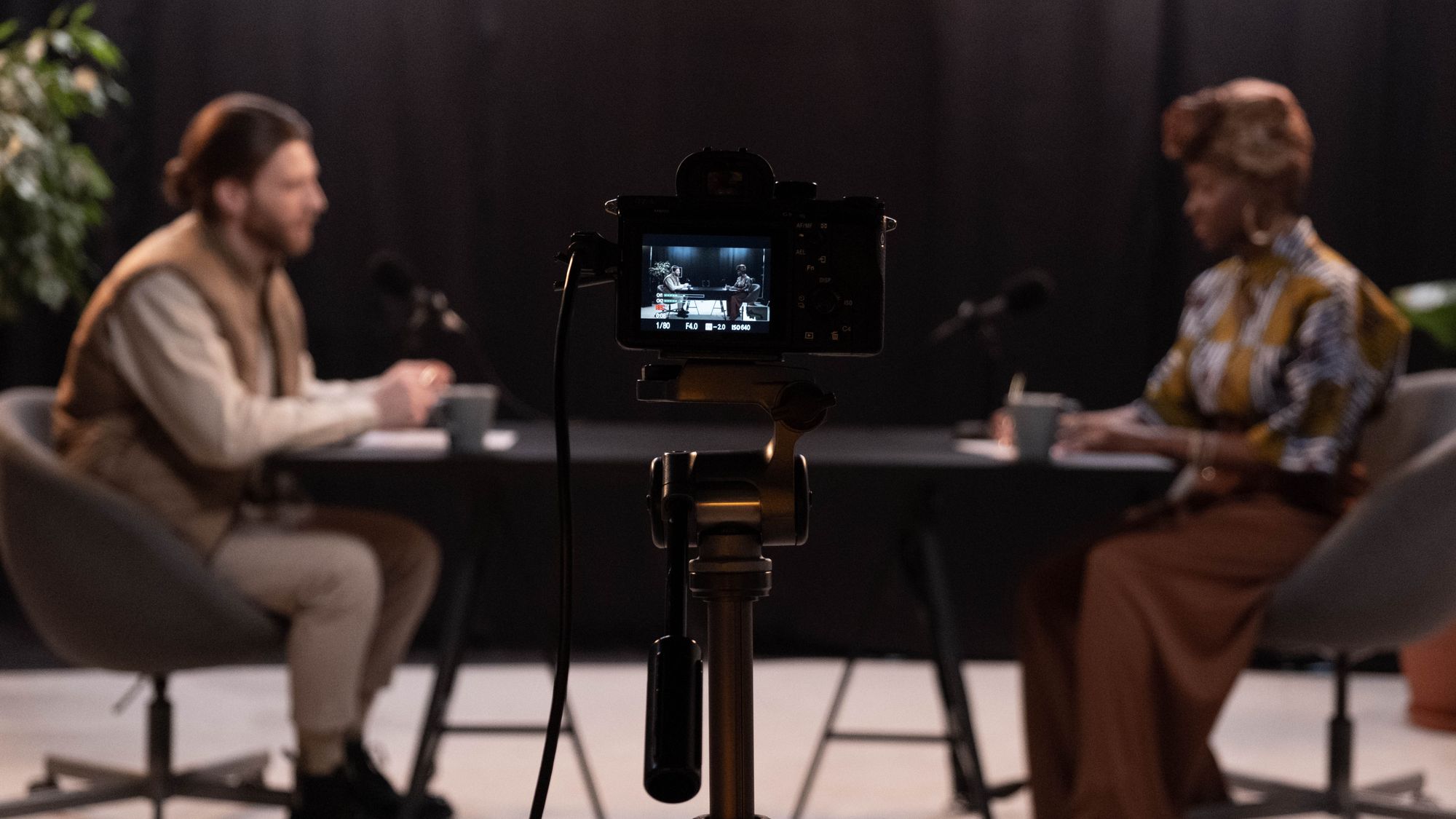
The sweet spot is clean audio, good lighting, a neutral or relevant background, and natural delivery. If the testimonial looks like a Super Bowl commercial, viewers wonder how much the person was paid to say it. If it looks like a phone recording in a parking lot, it does not reflect well on either party. Audio quality is the single biggest tell: viewers forgive imperfect visuals far more readily than they forgive echo and room noise.
3. They are short
Sixty to ninety seconds is the ideal range. Long enough to tell a complete story (problem, solution, result), short enough that viewers actually finish watching. Completion rate is also a ranking and distribution signal on every major social platform, so a tight edit earns more reach than a long one.
Common mistakes to avoid
The most frequent mistake is scripting the customer word for word. Scripted testimonials sound scripted, and the moment a viewer senses recital instead of recollection, the trust you were trying to build evaporates. Give people questions, not lines.
The second mistake is shooting one testimonial at a time. Crew setup is the expensive part of any shoot, not the recording. Once lights and audio are set, each additional interview costs very little, which is why we recommend batching three to five customers into a single session.
The third is neglecting captions. A large share of social viewing happens with sound off, and an uncaptioned testimonial is effectively a silent film. Burned-in captions should be a standard deliverable, not an upsell.
Where to use testimonial videos
On your website
The most valuable placement is on your service pages and homepage. When a visitor is actively considering hiring you, a testimonial video at the right point in the page can be the final push toward making contact. Embedded video also increases time on page, which is a quality signal search engines factor into rankings.
In paid social campaigns
Testimonial videos perform exceptionally well as social media ads. They do especially well on Facebook and Instagram, where trust is at a premium and ad fatigue sets in quickly. Real-customer creative typically sustains performance longer than polished brand creative.
In email and sales follow-up
Dropping a 60-second customer story into a nurture sequence or a proposal gives a prospect something to react to. It also gives your sales team a piece of content that answers objections without sounding like a pitch.
On your Google Business Profile
Google Business Profile supports video uploads, and very few local competitors bother to use it. For South Florida service businesses fighting for map pack visibility, it is an easy differentiator.
How to ask clients for a testimonial video
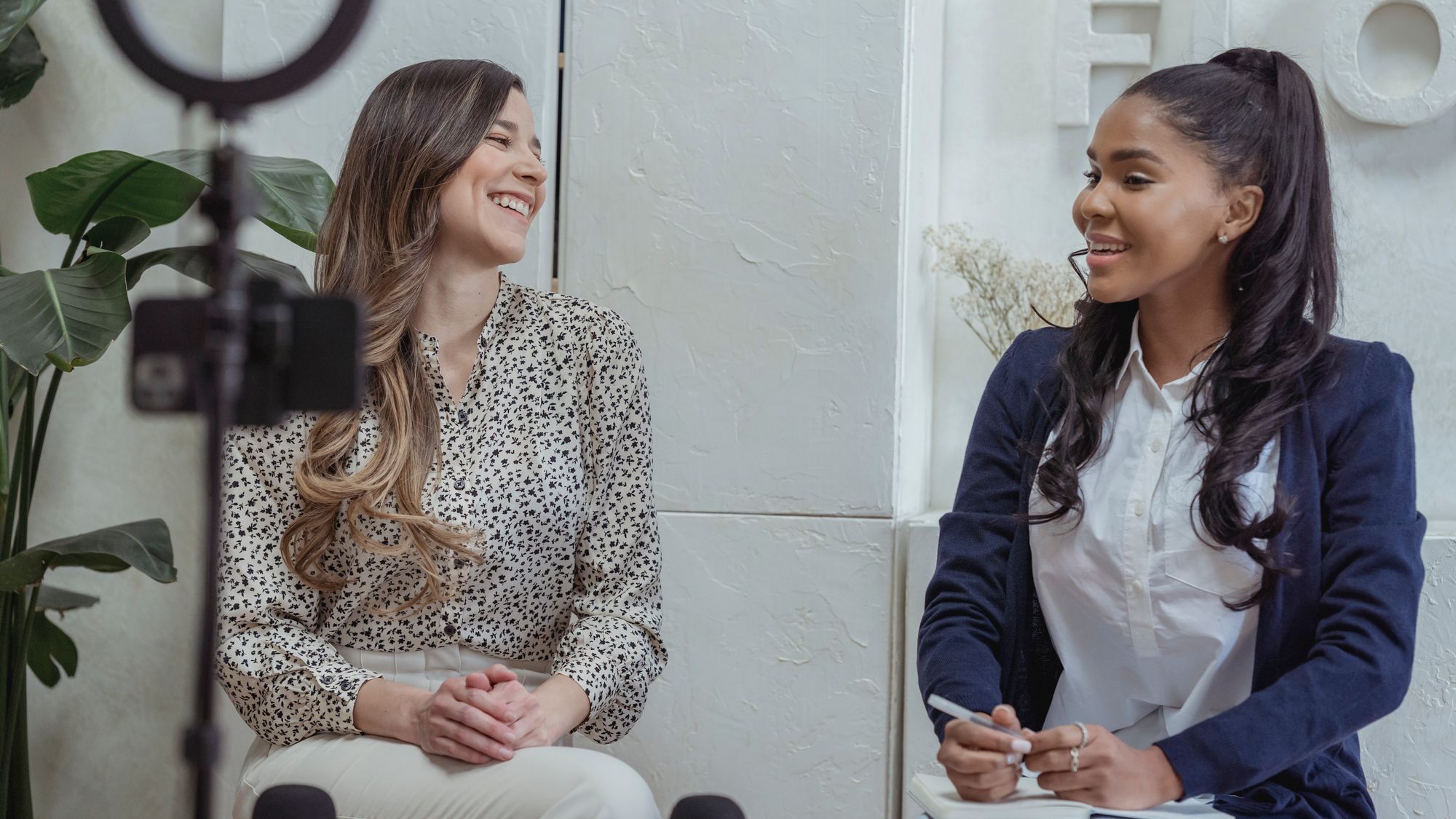
Most business owners say my clients would never agree to be on camera. In practice, the opposite is true. Happy clients are usually willing to help, especially if you make the process easy. The best approach: ask within two weeks of completing a project, when the positive experience is still fresh. Offer to handle all the production logistics so they only need to show up and talk. Provide three or four guiding questions in advance (not a script) so they feel prepared. Keep the commitment to 30 minutes of their time.
It also helps to tell them exactly where the video will appear and to offer them a copy they can use on their own channels. Framing it as mutual promotion rather than a favor changes the answer far more often than people expect.
What testimonial videos cost in South Florida
Testimonial work sits at the accessible end of the production spectrum because the format is contained: one location, one or two cameras, minimal graphics. Most packages fall well below what a scripted commercial requires. For a full breakdown of how projects are priced in this market, see our guide to video production cost in South Florida.
How to measure whether they are working
Track three things. First, conversion rate on the pages where the videos live, compared against the period before you added them. Second, video completion rate, which tells you whether the edit is holding attention. Third, and most usefully, ask new inquiries what convinced them to reach out. Attribution tools will never capture the moment a prospect decided to trust you, but people will often tell you directly if you ask.
Frequently asked questions
How long should a testimonial video be?
Sixty to ninety seconds for the primary version. It is worth also cutting a 15 to 30 second version for paid social and a longer three-minute version for sales conversations, all from the same interview.
How many testimonial videos does a business need?
Three to five is the practical target. That is enough to cover different customer types and different services without any single story carrying all the weight.
Should I pay customers for a testimonial?
No. Paid endorsements have to be disclosed under FTC rules, and disclosure undercuts the credibility that makes the format work. Offer convenience and a usable copy of the video instead.
What if a client is nervous on camera?
That is normal and it is the producer job to solve. Conversational interviewing, a few warm-up questions that never make the edit, and the ability to restart an answer are usually enough. Nerves disappear on tape within about five minutes.
How long does a testimonial shoot take?
Plan on about 30 minutes per participant plus roughly an hour of setup. Three interviews comfortably fit in a half day.
Getting started
If you are a South Florida business and you do not have testimonial videos, this is likely the single highest-return investment you can make in your marketing this year. Not because it is trendy, but because it works at every stage of the customer journey: awareness, consideration, and decision. To understand how this fits into a broader plan, read our guide on how video marketing drives growth for South Florida small businesses, and if a shoot is already on your calendar, how to prepare for your first commercial video shoot covers what to do next.
Related reading
- Eight Client Films We Made, and What Each One Was Built to Do real projects, including testimonial work.
- Five Types of Video Every South Florida Business Needs where testimonials fit among the formats.
- What South Florida Businesses Can Learn From Super Bowl Advertising what big-budget ads teach smaller brands.
Mile 1 Media produces testimonial video packages for businesses across South Florida. We handle everything from coaching your customers through the interview to editing a set of polished, platform-ready videos. Contact us to talk about a testimonial video package for your business.
Keep reading
Ready to put video to work for your business?
Mile 1 Media plans, shoots and edits video for South Florida businesses. Tell us what you are trying to achieve and we will map out the shoot.
Book a free discovery call