How to Prepare for Your First Commercial Video Shoot in Palm Beach County
A practical checklist for your first commercial video shoot in South Florida: the goal, pre-production, prepping your space, and the edit phase.
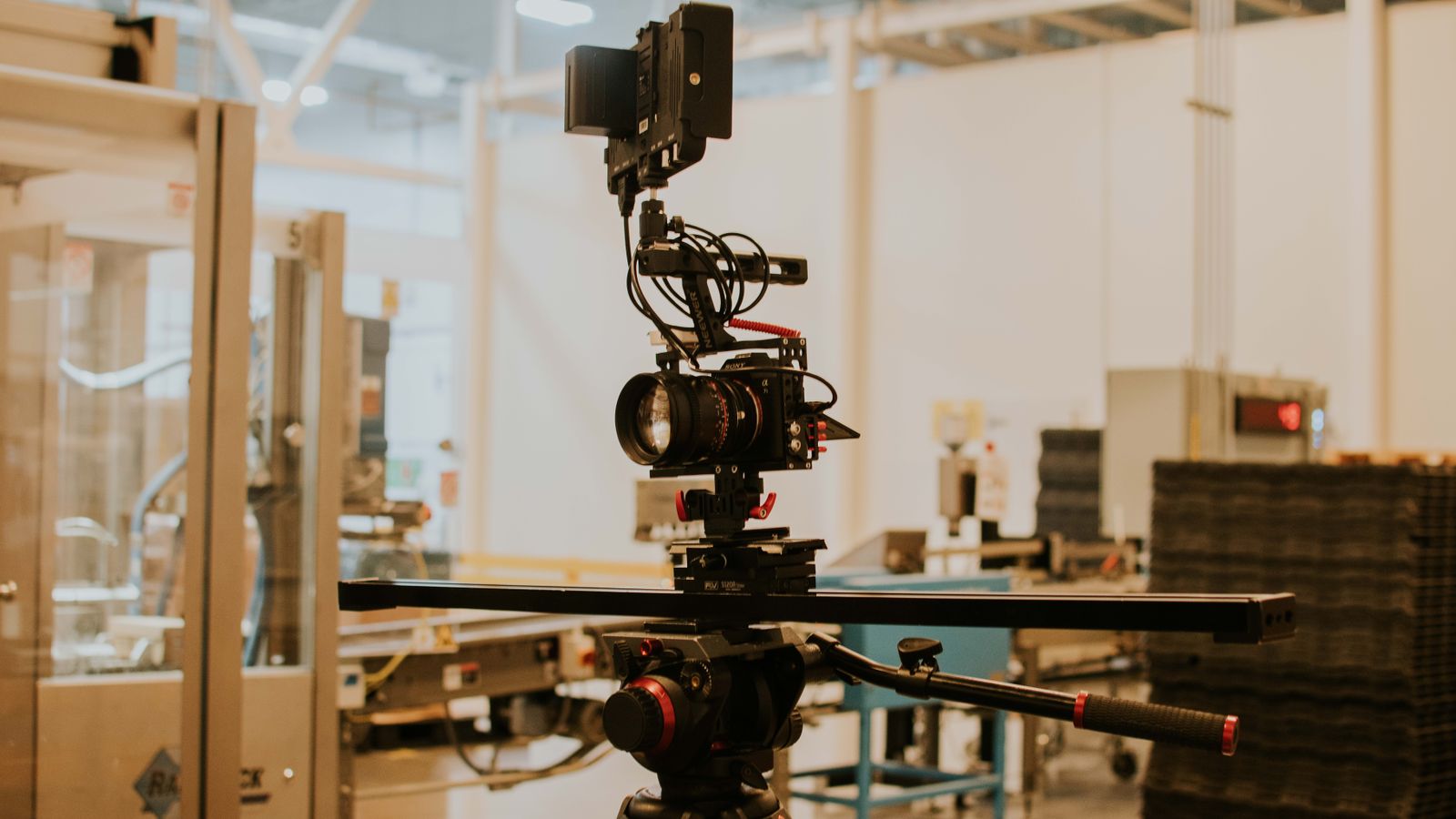
You have hired a video production company. The shoot date is on the calendar. Now what? For most business owners, the gap between signing a contract and showing up on set feels uncertain. You know you want a great video, but you may not know what to do between now and then to make sure it actually turns out great.
Here is a practical breakdown of how to prepare for a commercial video shoot, based on what we have learned producing over 250 projects for businesses across South Florida.
Key takeaways
- Define one sentence describing what the video must accomplish before any creative decisions get made.
- Pre-production is where problems get solved cheaply. On set, the same problems cost time and money.
- Clean and de-clutter your location the day before. The camera records every detail you stopped noticing years ago.
- Brief anyone appearing on camera at least a week out, including what to wear.
- Expect post-production to take two to four weeks and give specific, actionable feedback.
Get clear on the goal before the creative
Before you start thinking about what the video should look like, lock down what the video needs to do. Is it driving traffic to a landing page? Playing at a trade show booth? Running as a paid ad on Instagram or a pre-roll on YouTube? The distribution channel shapes every creative decision, from the aspect ratio to the pacing to the call-to-action.
Write down one sentence that describes the outcome you want from this video. Something like: after watching this, a potential client should feel confident enough to book a consultation. That sentence becomes the North Star for every decision that follows, and it settles disagreements later without anyone having to win an argument about taste.
Trust the pre-production process
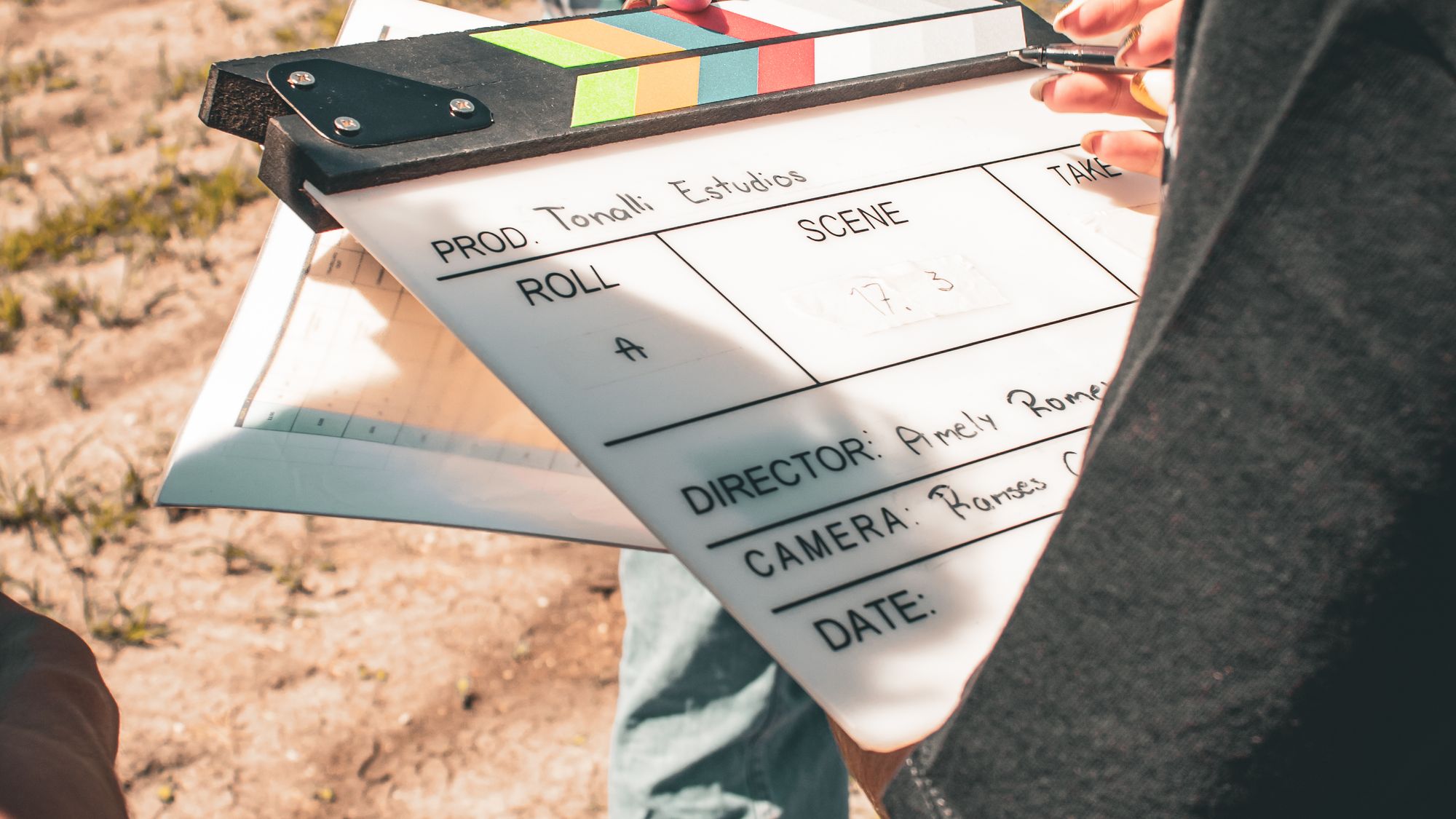
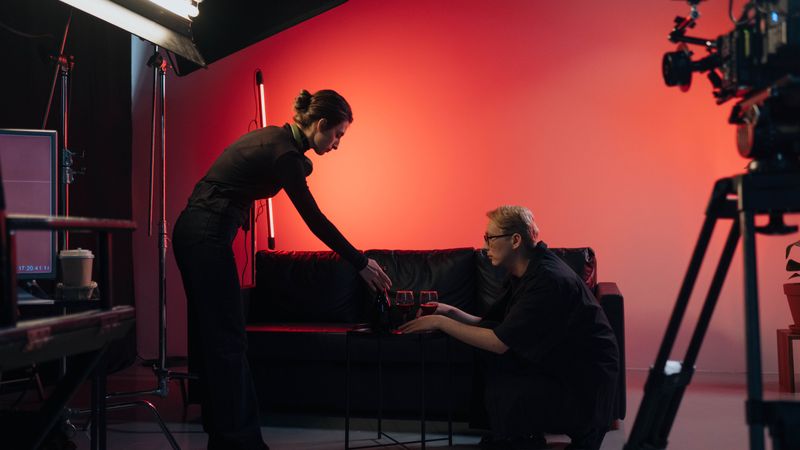
Good production companies front-load the work. That means scripting, storyboarding, shot lists, location planning, wardrobe guidance, and scheduling all happen before anyone touches a camera. In South Florida that scheduling also means planning exterior shots around summer afternoon storms and booking earlier through the winter snowbird season, when client calendars across Palm Beach County fill up. This phase is where problems get solved cheaply. On set, problems cost time and money.
Your job during pre-production is to be responsive and honest. If the script does not sound like you, say so. If the proposed location has a noise problem you know about, mention it. If you are worried about being on camera, tell your producer. Every one of these things is easier to address in pre-production than on the day of the shoot.
Questions worth asking your producer before shoot day
- What is the call time, and how long will the crew need for setup and strike?
- How much power will you need, and which outlets or circuits will you be using?
- Do we need permits, certificates of insurance, or building management approval?
- What is the weather contingency plan for exterior shots?
- Which deliverables and aspect ratios are we capturing for?
- How many revision rounds are included, and what is the delivery date?
Prepare your space
If the shoot is happening at your office, warehouse, or business location, invest an hour the day before to clean and organize. The camera picks up every detail. Cluttered desks, stained ceiling tiles, branded materials from a previous era: these things end up on screen if you do not handle them first.
Also check the lighting situation. Natural light is great, but if your office has fluorescent overhead lights that flicker or cast a green tint, let your production team know in advance. They will bring lighting equipment, but knowing what they are walking into helps them plan the setup.
A location walkthrough checklist
- Silence anything that hums: HVAC, mini fridges, ice machines, overhead music, and desk fans.
- Warn neighboring tenants about landscaping crews, deliveries, and construction noise.
- Clear parking and a loading path for equipment carts.
- Identify a room the crew can use for gear staging and for anyone waiting to be interviewed.
- Remove third-party logos, expired signage, and anything dated from the frame.
- Confirm who has keys and who can unlock doors at call time.
Brief your team
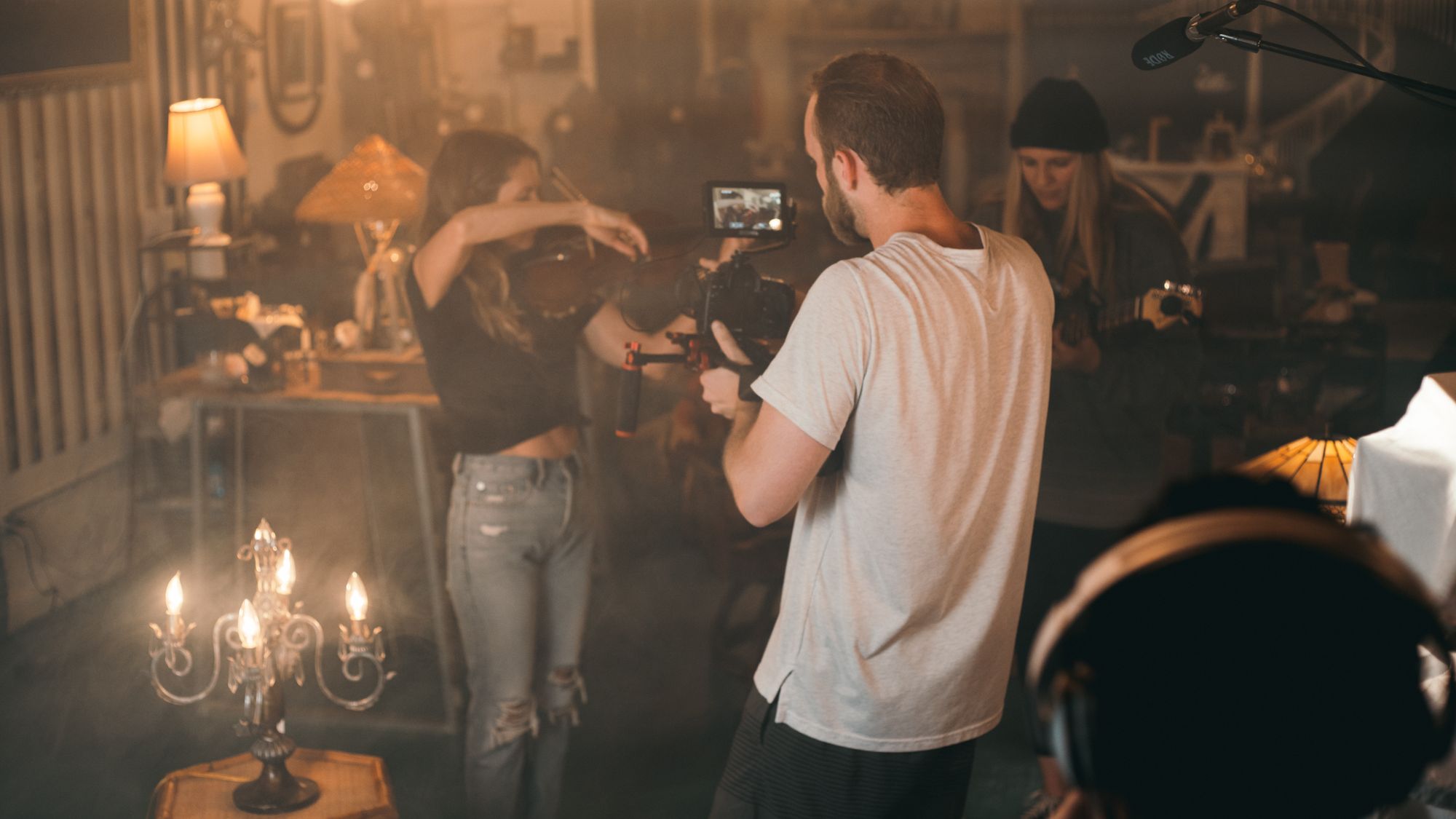
If employees or team members will be on camera, give them advance notice. Not 30 minutes before the crew arrives. At least a week. Let them know what the video is about, what they will be asked, and what to wear. Solid colors work best on camera. Avoid small patterns, logos from other brands, and anything with thin stripes.
For interview-style shoots, share the questions ahead of time so people can collect their thoughts. You do not want memorized answers (those sound wooden on camera), but you do want people to feel prepared enough that they are not anxious when the record light turns on. This is especially important for testimonial videos, where authentic delivery is everything.
What to wear on camera
Solid mid-tone colors photograph best. Avoid pure white, which clips under lights, and avoid tight patterns like herringbone or narrow stripes, which create a moire shimmer on digital sensors. Bring a second option in a different color, keep jewelry quiet, and have anyone in glasses tilt the arms down slightly to kill reflections.
On shoot day: let the crew lead
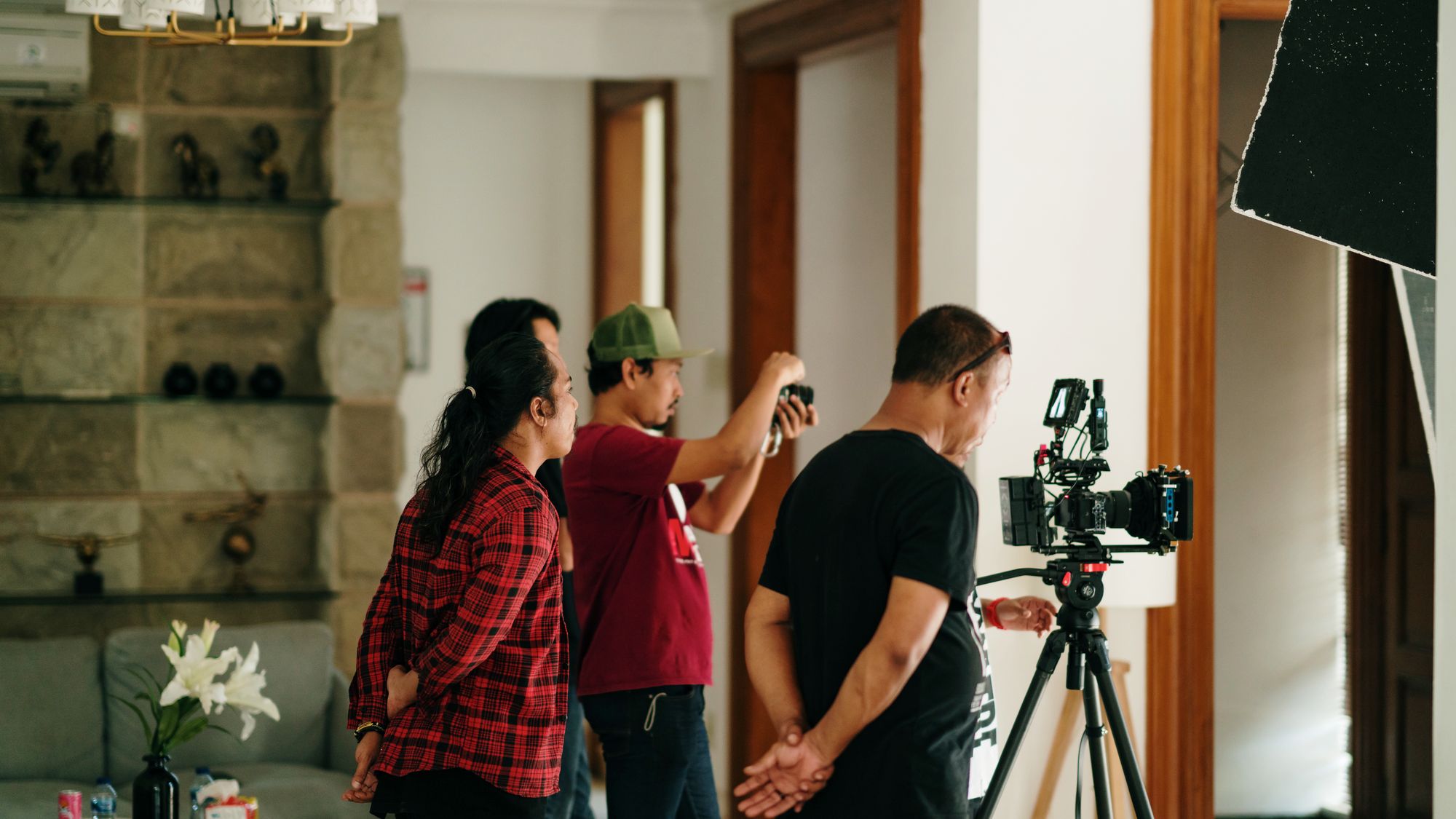
The biggest mistake clients make on shoot day is trying to direct the shoot themselves. You hired professionals for a reason. Let the director manage the set, the DP manage the camera, and the sound tech manage the audio. Your role on set is to be available for questions, make decisions when asked, and stay focused on the content rather than the equipment.
Things will take longer than you expect. Setting up a single interview shot can take 20 to 30 minutes with lighting, framing, and sound checks. This is normal. Rushing the setup to save time results in a video that looks rushed.
One practical tip: designate a single decision-maker for the day. Shoots slow to a crawl when the crew has to reconcile three opinions before every take.
After the shoot: the edit phase
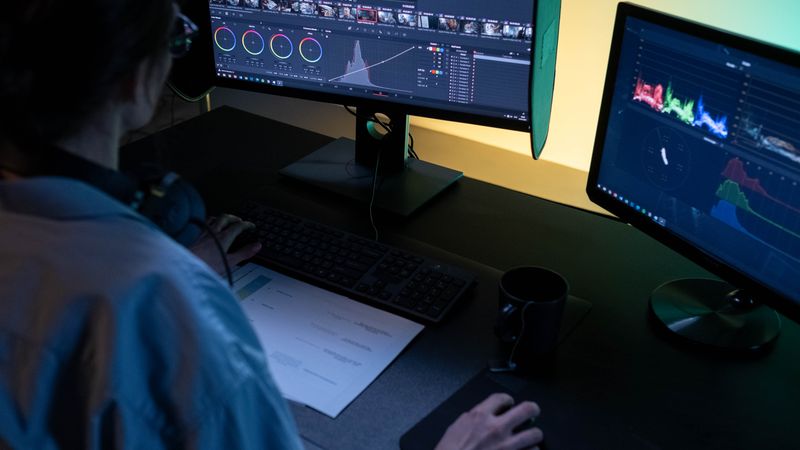
Post-production takes time. A 60-second commercial might take two to three weeks to edit, with color grading, sound design, motion graphics, and revisions. Be patient with this process, but also be decisive. When your editor sends a cut for review, give specific, actionable feedback rather than vague directions like make it more exciting. Say things like: the pacing drags in the middle section, or can we swap the opening shot for the one where the product is closer to camera?
Consolidate feedback from everyone on your side into a single document with timecodes before sending it. Piecemeal notes arriving over several days are the most common cause of missed delivery dates.
Frequently asked questions
How long does a commercial video shoot take?
A single-location shoot is typically a half day to a full day. Multi-location or scripted commercials with talent commonly run two or more days.
What should I wear for a video shoot?
Solid mid-tone colors, no pure white, no tight patterns, minimal noisy jewelry. Bring a backup option in a different color.
Do I need a script?
For a scripted commercial, yes. For interview and testimonial formats, a question list works better because it keeps delivery natural.
Do I need a permit to film in South Florida?
Often yes for public property, and filming at Florida state parks and beaches requires a permit, as do some downtown areas, and many buildings require a certificate of insurance. Your production company should handle this, but confirm it in writing.
How long until I get the final video?
Two to four weeks after the shoot for most projects, depending on graphics complexity and how quickly revision feedback comes back.
Can I watch the shoot remotely?
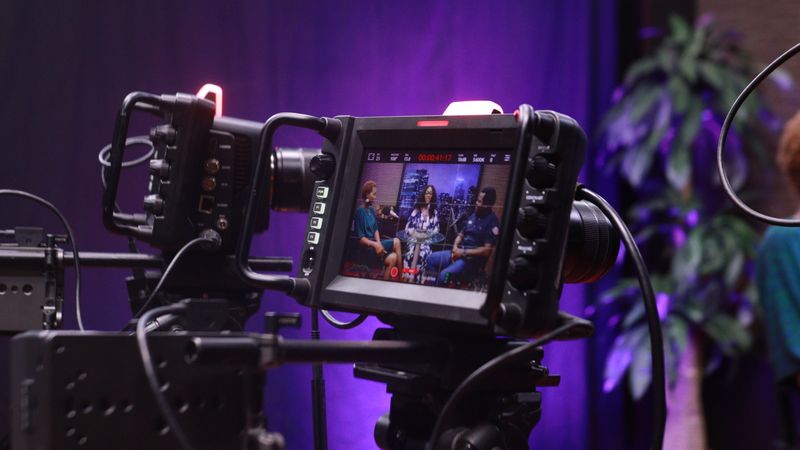
Usually yes. Most crews can run a client monitor on set or a remote feed if you cannot attend in person.
Ready for your first shoot
If you are still in the planning stages and wondering what this will all cost, we break down typical pricing in our guide to video production cost in South Florida. If you are deciding what to produce first, our guides on testimonial videos and video marketing for South Florida small businesses will help you prioritize.
Related reading
- Eight Client Films We Made, and What Each One Was Built to Do see finished projects to picture your own.
- What Does a Corporate Video Cost in Palm Beach County? budget context before you commit.
- Video Production Retainer vs Per-Project: A Year Compared whether one shoot or an ongoing plan fits.
At Mile 1 Media, we guide every client through this entire process from the first strategy call through final delivery. If you are a South Florida business planning your first (or next) video project, reach out to start the conversation. We will help you figure out what you need and make sure you are fully prepared for a successful shoot.
Keep reading
Ready to put video to work for your business?
Mile 1 Media plans, shoots and edits video for South Florida businesses. Tell us what you are trying to achieve and we will map out the shoot.
Book a free discovery call