What to Capture at a Corporate Event in South Florida, and What to Skip
What to capture at a corporate event in South Florida, what to skip, and what coverage costs. The moments worth filming, and the ones that waste budget.
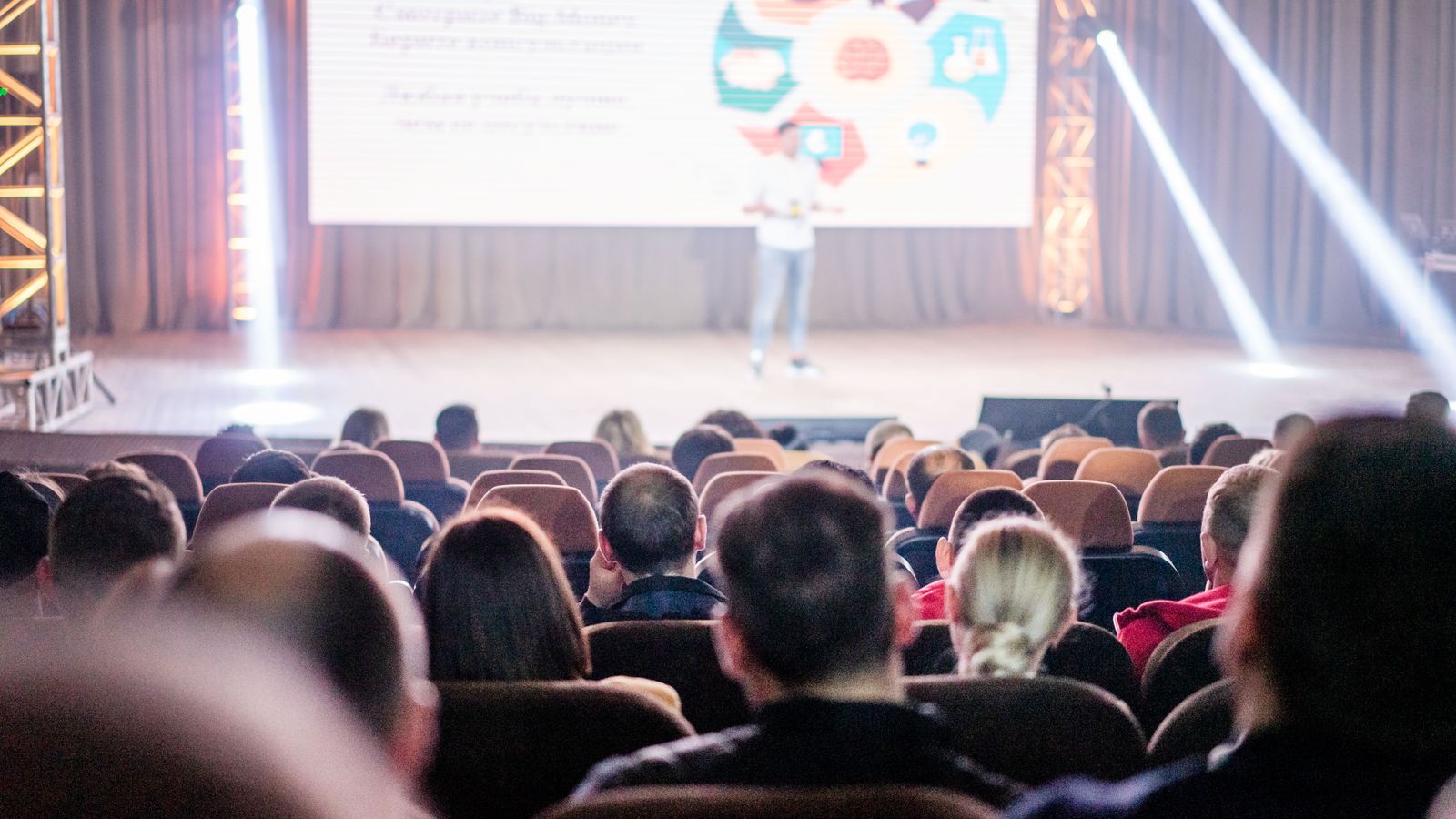
Most teams book event video expecting one long recap of the whole day, then use about thirty seconds of it. The footage that earns its place is a short list of specific moments, and most of an event does not need a camera on it. We are Mile 1 Media, a video production studio in Palm Beach Gardens that builds monthly video systems and one-off shoots for businesses across South Florida. We shoot corporate events across Palm Beach and Broward through the fall and winter conference season, and the pattern repeats: clients who plan a shot list walk away with a month of content, and the ones who film everything get a hard drive nobody opens. This piece covers what to capture, what to skip, what it costs, and when event video is not worth filming.
The short answer on what to film at a corporate event
Film the moments that carry proof and emotion: the keynote or main talk, real reactions from the room, short on-camera interviews with attendees and leadership, and the details that set the scene. Skip wide coverage of registration, meals, and slow transitions. Two well-covered moments beat six hours of B-roll no editor will cut.
Event footage is only worth what gets published, so we plan every shoot backward from the cuts a client will actually post. That sets the camera count, the audio plan, and the interview schedule before anyone shows up.
Key facts about corporate event video in South Florida
- Peak season here runs October through April, when conferences and galas cluster around the Palm Beach and Fort Lauderdale convention calendars.
- Audio, not camera quality, is the most common reason keynote footage gets thrown out.
- Our published event coverage runs $3,500 to $7,000, driven by camera count, hours on site, and how many finished edits you want.
- One event day can feed a month of short clips when the shot list is built for it in advance.
Where event video usually breaks: filming the whole day, using ten seconds of it
The most expensive event mistake we see is the open-ended brief. A team asks for full-day coverage with no plan for what the footage becomes, so the crew films continuously and the client ends up with hours of raw clips and no finished piece. The fix is boring and it works: name the two or three deliverables first, a highlight, a set of vertical clips, one recorded talk, and every camera and hour then serves a cut you have already committed to.
Quotable: The question is never how much of the event you can film. It is how many finished videos you will publish, and the shot list works backward from that number.
What event video production has to capture on the day
A corporate event has a handful of moments that carry the story, and covering them well is the core of what event video production delivers. The keynote gives you the substance. Real audience reaction gives you proof the room was engaged. Short interviews, ninety seconds each with attendees and one or two leaders, give you quotes that carry a recap and stand alone as clips. Awards and handshakes give you the emotion.
When aerial makes sense, a venue exterior opens a recap with scale, and outdoor South Florida venues film well from the air in winter light. Any drone work runs under FAA Part 107 rules, and a licensed remote pilot checks airspace and gets clearances. The rules live on the FAA site, and a crew that shrugs when you ask about them is filming without permission.
The keynote audio mistake that ruins otherwise good footage
The keynote is filmed wrong more than any other moment, and the culprit is sound. A single camera at the back of a ballroom with its onboard microphone records the room and the air conditioning, not the speaker, and you find out in the edit when it is too late to reshoot. We pull audio from the venue sound board or a dedicated recorder on the podium and lav mic. A clean feed of the slides, captured rather than filmed off a screen, turns a talking-head clip into something a viewer can follow muted, the detail in-house teams forget most.
What to skip, and why more coverage is not better
More cameras and more hours do not make a better recap. They make a bigger edit and a longer wait. The table below is how we sort a typical corporate agenda into what earns coverage and what does not.
| Moment | Capture or skip | Why |
|---|---|---|
| Keynote or main talk | Capture | Carries the substance and the best standalone clips |
| Attendee reactions | Capture | Proof the room was engaged, cheap to shoot, hard to fake |
| Short on-camera interviews | Capture | Quotes that carry a recap and work as clips on their own |
| Awards and recognition | Capture | The emotional peak of most corporate events |
| Registration and check-in | Skip mostly | A few seconds of detail is plenty, full coverage is filler |
| Meals and open networking | Skip | Rarely cuts into anything, and people dislike being filmed eating |
| Room transitions and downtime | Skip | Adds hours to the shoot and edit for no usable frames |
| Full panel, end to end | Depends | Worth it only if the full talk gets published |
Turning event footage into social media video
The recap is the deliverable most people ask for and the one that does least once posted. It goes up once and sits in a folder. The same shoot day cut into eight or ten vertical clips gives you weeks of posts, each built around one quote, one reaction, or one moment, the format that gets watched on a phone. That is why we treat an event as raw material for social media video production rather than a single film.
The mechanics are the same ones we use outside of events, laid out in how to turn one shoot day into a month of content. Plan the vertical framing on the day and capture clean audio for every clip, because neither can be added later.
Where the clips live changes how they get shot. A highlight built for LinkedIn reads as professional and carries the leadership quotes.
Vertical cuts for Instagram reels lean on reaction and energy.
A full recorded talk belongs on YouTube, where people search for the session by name months later.
What a full event day covers under our video production services
A standard event day starts with a venue walkthrough an hour before doors, to check the light and find the interview spot. From there the plan runs on your agenda: the crew positions for the keynote, grabs reactions, pulls interviews during scheduled breaks, and covers the awards. We deliver a private review link within a set turnaround, then finalize the edits you approve. That end-to-end structure is what our video production services are built to handle.
The part most teams underestimate is that pre-production hour. To see how the timing falls across a shoot, read what happens on a shoot day, hour by hour.
What event coverage costs, and what drives the pricing
Our published event coverage runs $3,500 to $7,000. The spread comes down to a few concrete decisions, and the full detail sits on our video production pricing page. The table below shows the main lines and what moves each one.
| Coverage | Published range | What drives it |
|---|---|---|
| Event coverage | $3,500 to $7,000 | Camera count, hours on site, number of finished edits |
| Aerial or drone add-on | $800 to $2,000 | Venue exterior, airspace clearance, flight time |
| Corporate photography add-on | $1,200 to $2,500 | Stills captured alongside video for print and press |
| Monthly content system | $3,200 to $6,500 per month | If the event feeds ongoing posts across the year |
The number that moves the total most is edit count. A second camera adds a modest amount to the day, but ten finished social edits instead of one recap is where the editing hours and the return sit, because those are the pieces you publish.
Our decision rule for booking event coverage
Book event video when the event produces something worth showing after the room empties: a talk worth republishing, recognition worth sharing, or reactions that prove the value to people who did not attend. A client summit, an awards night, a product launch, or an annual conference usually clears that bar. An internal update meeting with slides and no audience energy rarely does. If you cannot name the two clips you would post the week after, the event is not ready for a camera yet.
When event video is not worth filming
Some events do not justify a crew, and we say so before taking the booking. A small internal meeting with no external audience gets more from a good photographer and a written recap. An event with no speaker, no recognition, and no reactions has nothing for an edit to be built around.
Mile 1 Media is also the wrong fit if you need the finished recap the same night. Live-switched broadcast is a different discipline with a different setup, and a studio built for edited content is not the right call for a same-day live cut. When that is the requirement, a live-production specialist is the honest recommendation, and we will point you toward one.
Questions to ask any event video team
These four questions separate a crew that plans from one that shows up and points a camera.
- How will you capture the keynote audio? Strong: a sound board feed or a dedicated recorder and lav. Red flag: one camera at the back with onboard sound.
- What are the deliverables, and how many edits are included? Strong: the shoot tied to a named set of cuts. Red flag: open-ended coverage with the edit priced later.
- Who is licensed for the drone work? Strong: a named Part 107 remote pilot who handles airspace clearance. Red flag: treating it as no big deal.
- When do we get the footage? Strong: a turnaround for the review link and final edits. Red flag: vague timing.
Trust band
Written by Reagan Cotton, owner of Mile 1 Media, a video production studio in Palm Beach Gardens, Florida. We shoot corporate events, brand films, and monthly content systems for businesses across Palm Beach and Broward. This guide reflects how we plan and run event coverage in South Florida. Last reviewed September 13, 2026.
Frequently asked questions
How much does corporate event video cost in South Florida?
Our published event coverage runs $3,500 to $7,000. The drivers are camera count, hours on site, and how many finished edits you want. A single-camera half day with one recap sits at the low end. Multiple cameras, a full agenda, and a set of social cuts moves it toward the top.
How far in advance should we book an event shoot?
Two to three weeks is comfortable for most single events, and the October-through-April season fills faster. The lead time matters less for the crew than for planning. The pre-production talk about deliverables, questions, and the skip list is what makes the day run well, and it takes about an hour.
How long until we get the finished video?
It depends on how many edits you ordered. A single recap turns around faster than ten social clips. We send a private review link first so you can approve direction before the final cuts, and when social clips are the priority we edit those first, while the event is still current.
Do we need drone footage at an event?
Usually not for an indoor conference, and often yes for an outdoor venue worth opening on. Aerial is an add-on that runs $800 to $2,000, and it earns its place when the venue exterior sells the scale of the event. Any drone work runs under FAA Part 107 rules and needs a licensed pilot.
Can one event really fill a month of content?
Yes, when the shoot is planned for it. A single event day holds enough keynote moments, interviews, and reactions to cut into eight or ten vertical clips plus a recap. The catch is that it only works if vertical framing and clean audio are captured on the day.
Related reading
- How to Write a Video Brief for a Palm Beach County Business. The pre-production document that decides what your event crew films and skips.
- What Does Event Video Coverage Cost in South Florida? The full pricing breakdown behind the ranges in this guide.
- How to Prepare for Your First Commercial Video Shoot in Palm Beach County. How the planning holds up when the shoot is a set piece rather than a live event.
What happens when you call
Booking event coverage with us runs in four steps, and the whole thing takes about a week of light back-and-forth before the day itself.
- A short discovery call, around 20 minutes, where we learn the event, the audience, and what you want to show afterward.
- A written plan: the deliverables, the shot list, the interview questions, and the skip list, priced against our published ranges.
- The shoot day, run on your agenda, with the crew positioned for the moments that matter and out of the ones that do not.
- A private review link within the agreed turnaround, then the final edits once you approve the direction.
If you have an event on the South Florida calendar this season, book a free discovery call and we will map the coverage to the clips you actually want to publish.
Photo: 2019 Nobel Conference audience, by BLT 152 via Wikimedia Commons, licensed under CC BY-SA 4.0.
Keep reading
Ready to put video to work for your business?
Mile 1 Media plans, shoots and edits video for South Florida businesses. Tell us what you are trying to achieve and we will map out the shoot.
Book a free discovery call