Drone vs Ground Video Coverage for South Florida Businesses
Drone or ground video for your South Florida business? We break down what each camera sells, when to use both, and how to price the shoot.
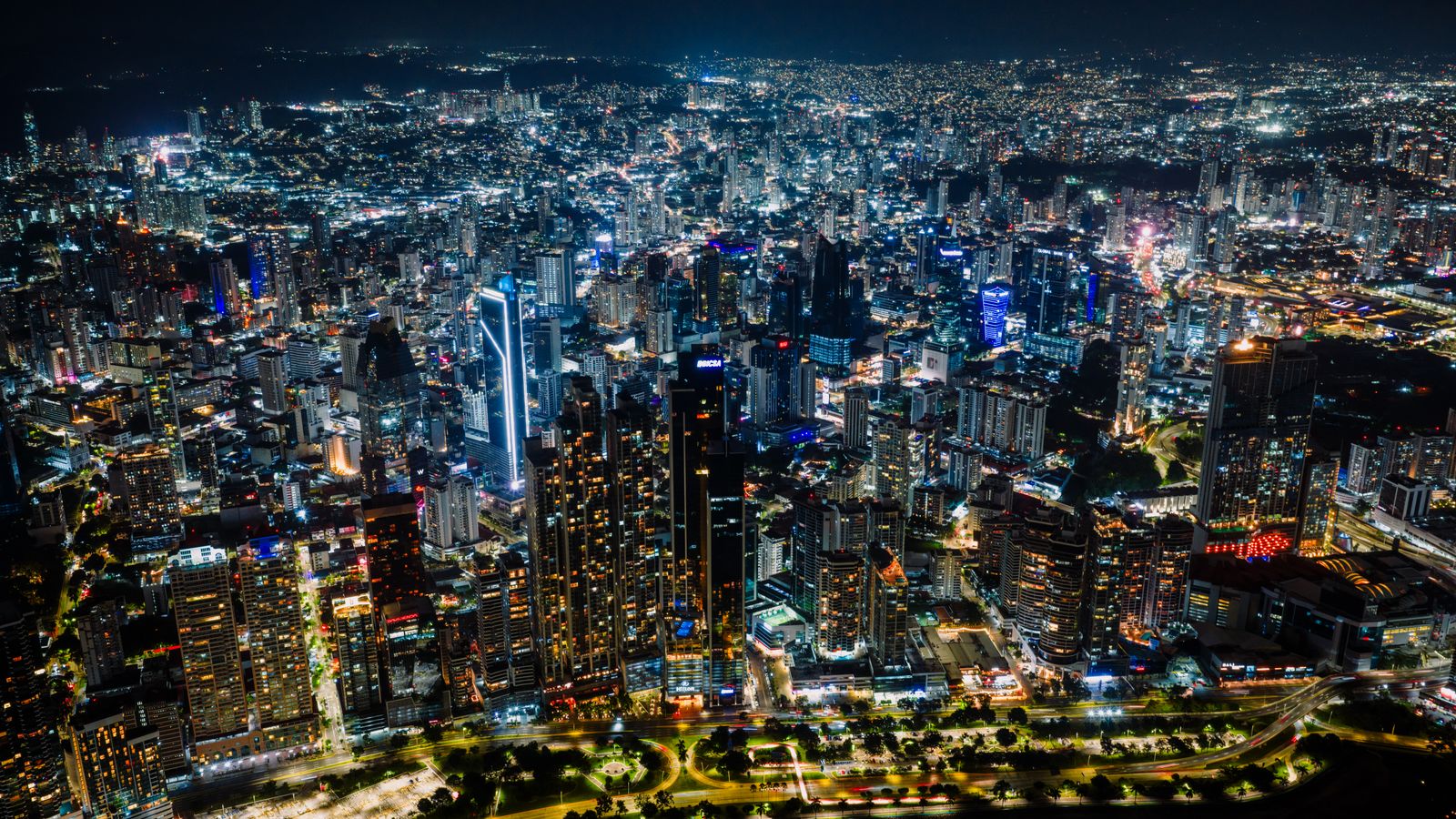
Mile 1 Media is a video production studio in Palm Beach Gardens that builds monthly video systems and one-off shoots for service businesses and regional brands across South Florida. On nearly every discovery call for an outdoor shoot, someone asks whether they need the drone, as if aerial footage were the part that makes a video look professional. It rarely is. The question that actually decides the shoot is which camera position sells the thing you are selling, and the honest answer is usually both, in a specific order.
This piece covers how we decide between drone and ground coverage on real South Florida shoots, what each one is good for, where each one fails, and how the two price out against each other. It does not cover indoor-only shoots, where drone almost never earns its place, and it does not cover FPV or cinematic drone stunt work, which is a different craft with a different budget.
The short answer: what each camera position is actually for
Drone coverage sells context and scale: the lot, the water access, the size of a venue, the route to your door. Ground coverage sells the thing a buyer touches: a face, a finish, a product in a hand, a room you walk into. Most videos that convert need both, and the ground footage is what people watch to the end.
We run a lot of exterior shoots from Stuart down to Broward, and the pattern repeats. Aerial footage gets the first three seconds of attention, and the ground footage gets the decision. When a client asks us to cut the ground day for more drone time, we push back, because that trade weakens the video.
Start here: the decision tree we run before a shoot
Before we book operators, we walk through four questions in order, and the answers tell us how much of each coverage a shoot needs.
First, does the value of what you are showing depend on space you cannot capture from the ground? Waterfront, acreage, a rooftop, or a crowd size are yes. A countertop or a two-person interview are no.
Second, will most viewers watch this muted on a phone? If yes, the ground footage carries the message through captions and faces, and the drone becomes an opener rather than the body of the edit.
Third, is there an FAA restriction over the location? Much of South Florida sits under controlled airspace near Palm Beach International, and that changes the plan before anything else does. Fourth, what one shot, if you lost it, would sink the video? If that shot is aerial, drone leads. If it is a person or a detail, ground leads and drone supports.
What drone videography actually adds on a shoot day
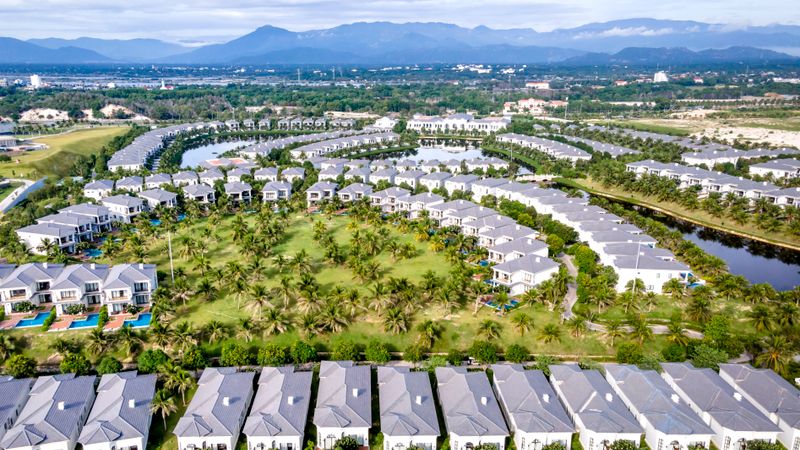
Aerial work earns its place when the story is partly about where something is. A waterfront home reads as ordinary from the street and obvious from 120 feet up, once you see the dock, the canal, and the ocean two turns away. Our drone videography work exists for exactly those moments, where the ground camera cannot answer the buyer's first question, which is how big and where.
The constraint people forget is legal, not creative. Commercial flights run under the FAA's Part 107 rules, which require a certificated remote pilot and, in controlled airspace, an authorization before takeoff. A studio that shrugs at that is a liability on your project. Near the coast we also plan flights around wind, because a gusty afternoon on the Intracoastal grounds the drone no matter what the schedule says.
Drone footage also ages the fastest. A neighboring lot gets built on, and last year's aerial dates a listing, while ground footage of a well-lit interior holds up far longer.
Where ground coverage still wins, and drone cannot fake it
Ground coverage is where the sale happens. It is the only way to shoot a face at eye level, a hand testing a fabric, or the light through a window at 8am. These are the frames that make a viewer feel what a place is like, and no altitude substitutes for them. Ground shooting also gives you control the drone never will. You set the light, you direct the moment, and you shoot it again when the first take misses.
For most service businesses in South Florida, an HVAC company or a med spa, ground coverage is the entire video and drone is optional garnish. We say that plainly, because selling a drone add-on to a business whose story lives indoors is the kind of upsell that erodes trust.
The Jupiter waterfront listing: what real estate video production has to cover
Here is a composite of a job we shoot often. An agent has a four-bedroom on a Jupiter canal, priced where buyers expect a video, and the listing has to work on Zillow and on the agent's own feed. This is the case that shows why the two coverages are one shoot, not two.
The drone answers the geography. It shows the dock, the boat lift, the straight run to the inlet, and how close the ocean actually is. Nothing on the ground communicates that, and it is the reason a waterfront buyer clicks. Strong real estate video production opens on that context because the first job is to make a scrolling buyer stop.
Then the ground camera closes the sale. A buyer decides they can live there from the interior footage of the kitchen finishes and the primary suite, not from the aerial. Cut the ground day to buy more drone passes and you get a listing that looks impressive and says nothing about the house. We have watched that version underperform against a plainer edit that spent its budget on interiors.
Drone vs ground: how video production pricing compares
Aerial coverage is one of the more affordable line items we offer, which is part of why it gets over-ordered. Ground production costs more because it carries crew, lighting, direction, and edit time. Here is where each sits against our published video production pricing, with the ranges shown as starting points rather than ceilings.
| What you are buying | Published starting range | What moves the price |
|---|---|---|
| Aerial / drone coverage | $800 to $2,000 | Flight time, FAA permits, number of 4K deliverables |
| Brand film, ground | $3,500 to $8,000 | Script development, shoot-day length, motion graphics |
| Commercial / ad spot, ground | $5,000 to $15,000 | Crew size, licensed talent, paid-media usage rights |
| Event coverage, ground with optional aerial | $3,500 to $7,000 | Hours on site, number of operators, edit turnaround |
| Corporate photography | $1,200 to $2,500 | Headcount, locations, deliverable count |
| Monthly content system | $3,200 to $6,500 / month | Volume of monthly output, shoot days, editing tier |
Two numbers change the math on a rushed job. Delivery under two weeks adds a 30% rush surcharge, and a second drone location on the same day costs less than a separate flight another day. For the full picture, we broke down how much video production costs in South Florida across every deliverable.
Quotable: The drone gets the click, and the ground footage gets the sale, so a budget that starves the ground day to fund the sky is spending backward.
Matching the coverage to your goal: our video production services rule
The decision rule we hand clients is simple. If losing your single most important shot would sink the video and that shot is aerial, lead with drone and keep a short ground day for proof. If that shot is a person or a detail, lead with ground and use drone for the opener only. Across the full range of our video production services, most projects land in the second group.
The disqualifier matters as much as the rule. A business whose product or people are the entire story does not need drone at all, and buying it produces a prettier opener attached to the same video. A rooftop bar, a marina, or a property with land is where aerial changes the outcome. A dentist's office is not.
When we would tell you to skip the drone entirely
We turn down drone add-ons more often than we sell them. If your location sits in restricted airspace with no realistic path to authorization, or if your whole story happens indoors, the aerial line item buys you three seconds of footage you will not use. In those cases we would rather put the money into a second ground setup or a better edit, and we will say so on the call. If a freelancer with a drone can get you one usable establishing shot and nothing else about the video needs a crew, hire the freelancer. We are built for businesses that want a system of content shot and cut every month, and a single aerial pass is not that.
Questions to ask any video production studio before a drone shoot
Ask who is flying and whether they hold a current Part 107 certificate. A strong answer names the pilot and offers the certificate number. A red-flag answer is a vague reassurance that it is handled.
Ask how they deal with controlled airspace at your location. A strong answer walks you through the authorization and the backup plan for a no-fly day. A red-flag answer treats airspace as a formality.
Ask what the plan is if the drone cannot fly on shoot day. A strong answer already has the ground shot list that carries the video alone. A red-flag answer is silence, which means the whole shoot depends on the weather.
Trust Band
Written by Reagan Cotton, owner of Mile 1 Media, whose crew shoots and edits video for businesses across Palm Beach County and the wider South Florida market. This guide reflects how we plan and price drone and ground coverage on live client shoots. Last reviewed August 20, 2026.
Frequently asked questions
Does adding drone coverage make a video cost a lot more?
Usually not. Aerial coverage starts at $800 to $2,000 with us, which is one of the smaller line items on a project. The cost that moves a budget is ground production, because it carries crew, lighting, and edit time. The mistake is not the price of the drone, it is cutting a ground day to afford it. Add drone when the location earns it, and keep the ground budget intact.
How much shoot time does the drone actually add?
Less than people expect, when it is planned. A focused aerial pass at a single location is often under an hour of flight time. What adds time is unplanned flying, repositioning for light, and waiting out wind on the coast. We scout the airspace and the weather window first so the drone slots into the day instead of stretching it.
Can I just use drone footage for the whole video?
No, for almost any business goal. Aerial footage shows context, and viewers stop watching once they have read the geography. The frames that hold attention and drive a decision are on the ground: faces, finishes, and product in use. A drone-only edit looks impressive for a few seconds and says little about what you are selling.
Is drone worth it for a small local business?
Only when your location is part of the pitch. A marina or a property with land gets real value from aerial. A med spa or a law firm almost never does, because the story lives indoors. For most local businesses, ground coverage is the whole video and the budget is better spent there or on a consistent monthly output.
What happens to the shoot if bad weather grounds the drone?
A well-planned shoot does not depend on the drone at all. The ground shot list is built to carry the video on its own, and the aerial is an opener we add when conditions allow. Coastal wind and afternoon storms are normal here, so we schedule flights for the calmest window and keep a backup day only when the aerial is genuinely essential.
Related reading
- How to Prepare for Your First Commercial Video Shoot for the ground-day planning that decides whether a shoot runs smoothly.
- Why Every South Florida Business Needs Testimonial Videos for the ground-shot format that converts better than almost any aerial.
- 5 Ways Video Marketing Helps South Florida Small Businesses Grow for where these clips actually earn their keep once they are cut.
What to check 30 days after the video goes live
Once the video is running, the numbers tell you whether the coverage mix was right. Look at audience retention on YouTube or your social platform and find where viewers drop. If they leave right after the aerial opener, the ground footage was too thin and the next shoot needs more of it. If the drone opener holds attention into the body, it earned its place.
Then check what the video did for the goal, whether that is listing inquiries, booked calls, or profile views on your Google Business Profile. That read is the whole reason we plan coverage around the goal instead of the gear. If you want us to plan that mix for your next shoot, book a free discovery call and we will map the drone and ground coverage to what you are trying to sell.
Keep reading

Ready to put video to work for your business?
Mile 1 Media plans, shoots and edits video for South Florida businesses. Tell us what you are trying to achieve and we will map out the shoot.
Book a free discovery call