What Is Aerial Videography? How It Differs From Drone Videography
Aerial videography covers any shot from the air. Drone videography is one method. Here is how they differ, what each costs, and the FAA rules in South Florida.
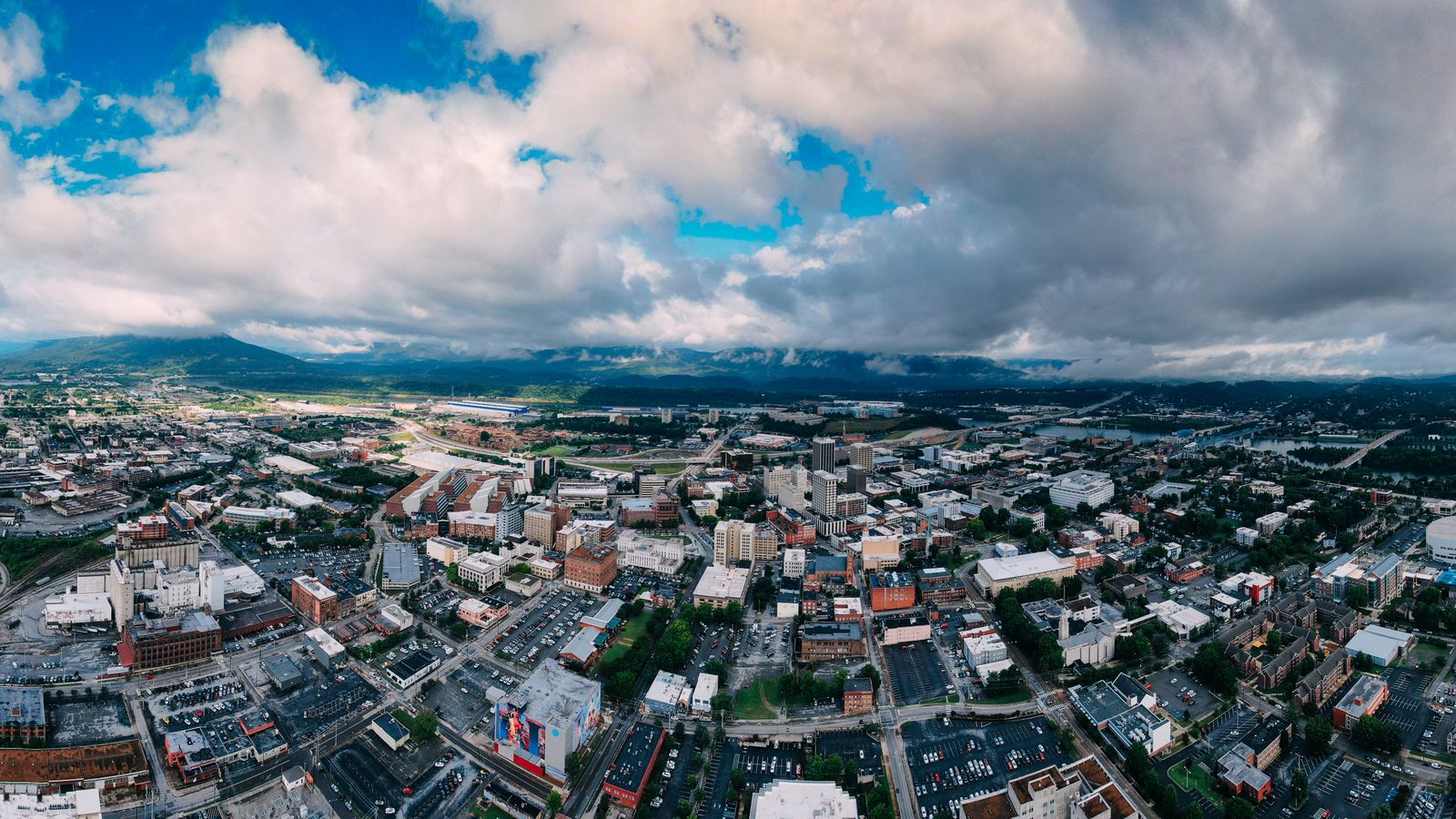
Mile 1 Media is a video production studio in Palm Beach Gardens that builds monthly video systems and one-off shoots for service businesses across South Florida. Aerial videography means two different things depending on who is saying it. To a camera operator it is any shot taken from above the ground, by drone, helicopter, crane, or jib. To most business owners who call us, it means the drone footage they saw on a competitor's website. We fly drones on shoots across Palm Beach County most weeks, and we have booked manned aircraft for the handful of jobs a drone cannot cover, so we see where the two part ways. This piece covers what aerial videography is, how drone videography fits inside it, what each costs, and the FAA rules that apply here.
What is aerial videography?
Aerial videography is video shot from a raised or airborne position, by any platform: a drone, a helicopter, a fixed-wing aircraft, a crane, or a cable rig. Drone videography is the most common form of it today, but the term covers every method of putting a camera above the ground.
The distinction is worth clearing up before you brief a studio, because the word you use changes the quote you get back. Ask for aerial videography and a careful studio will ask which platform you mean, since a crane move over a product table and a high establishing shot of a building are both aerial and cost nothing alike. Almost everything a local business needs from the air a drone can do, and the exceptions are rare.
Where drone videography fits inside aerial videography
Drone videography is a subset of aerial videography. Every drone shot is aerial, and not every aerial shot comes from a drone. A drone is a small unmanned aircraft carrying a stabilized camera, flown by a pilot on the ground, and it is the cheapest and fastest way to get a camera into the air. That is why it has taken over most of the aerial work local businesses pay for.
The hardware most crews fly comes from a short list of makers, with DJI holding most of the market. The camera on a current professional drone shoots the same resolution as the ground cameras on the same shoot, so the aerial footage cuts together with everything else without looking like it came from a phone.
When a client asks us for drone work, the brief usually lives on our drone videography page: a roof, a property line, a building that only reads as impressive from above. When they ask for aerial and mean a shot a drone cannot reach, that is a different and rarer conversation.
The axes that separate the two
Judge aerial platforms on five things and the right choice falls out: the platform and crew, the altitude and range, the airspace rules, the cost, and the kind of shot each is built for. Here is how manned and rigged aerial compares to drone videography.
| Factor | Manned and rigged aerial | Drone videography |
|---|---|---|
| Platform | Helicopter, fixed-wing aircraft, crane, jib, or cable cam | Small unmanned aircraft flown from the ground |
| Altitude and range | Hundreds to thousands of feet, miles of travel on one pass | Up to 400 feet above ground under standard FAA rules, within the pilot's line of sight |
| Typical crew | Licensed pilot or grip team plus the camera operator | One certified remote pilot, sometimes a visual observer |
| Airspace and licensing | Aircraft operator holds the pilot license and handles airport coordination | FAA Part 107 certificate, drone registration, airspace authorization near airports |
| Cost | Quoted per job, driven by aircraft and pilot hire | $800 to $2,000 |
| Best for | Very high altitude, long moving shots, airspace a drone cannot enter | Property, events, exteriors, most local business work |
The pattern is clear. A drone wins on cost and on how close it can fly to a building. A manned platform wins only when you need altitude a drone cannot legally reach, or a shot that travels farther than a drone battery lasts. For a Palm Beach County service business, the drone column is the one you almost always want.
Quotable: All drone videography is aerial videography. The reverse is not true, and the gap between them is where a budget gets wasted.
The FAA rules that apply to drone work in South Florida
Flying a drone for a business is commercial work, and commercial flights follow the FAA's rules for commercial operators. The pilot has to hold a Part 107 remote pilot certificate under 14 CFR Part 107. The drone has to be registered and broadcast Remote ID, a signal that identifies the aircraft in flight.
South Florida adds a wrinkle that matters on shoot day. Much of Palm Beach County is under busy controlled airspace tied to Palm Beach International and nearby fields. Flying inside that airspace needs an authorization before takeoff, which a certified pilot pulls through the FAA's online system. A crew that shows up without it cannot legally fly, and the shot you planned around does not happen.
For the full version of the licensing question, we wrote a plain guide to whether your business needs a drone license to fly in South Florida. This article explains how the rules work, and it is not legal advice.
Aerial videography pricing in South Florida: what drives the number
Drone work is the aerial service a local business actually books, and our video production pricing puts aerial and drone coverage at $800 to $2,000. The spread is not random. The first driver is flight time and the number of setups, since a single pass over one building is near the bottom and a property with several structures and a sunset return visit climbs toward the top. The second is whether the footage stands alone or has to match a larger shoot, because matching color and frame rate to ground cameras adds edit time. The third is airspace, since a site that needs authorization near an airport adds planning before takeoff.
Manned aerial, a helicopter or a crane, is quoted per job because the cost is the aircraft and the licensed operator, not our time. The number swings with the vendor and the day, so we price it against real quotes rather than publish a range.
Where aerial video earns its cost: real estate listings and property tours
The clearest return on aerial work is property. A listing with a clean overhead that shows the lot, the roofline, and the water behind it answers a buyer's first question before they read a word. That is why aerial is a standard part of our real estate video production, not an upsell. Events are the second strong case, where one rising shot reveals a full venue and opens a recap people watch.
Aerial footage also has to be finished well, which is where raw drone clips and a usable deliverable separate. We grade and stabilize aerial in DaVinci Resolve, matching the look to the ground footage so a cut does not jump every time the angle goes high.
Crews editing in Adobe do the same work in Adobe Premiere Pro. Drone footage that skips the grade reads as footage from a different shoot, and viewers feel the seam.
Who aerial videography is not right for
Aerial is wrong for a business whose story happens indoors and up close. A med spa treatment, a dentist chairside, a chef plating a dish: none gain anything from a camera in the sky, and a drone shot spliced in for the sake of it tells a viewer the video is padded. We have talked clients out of aerial more than once when the budget bought more on the ground. It is also wrong when the site cannot be flown, like an indoor venue or a location the owner will not clear.
Questions to ask before you book aerial video services
Three questions sort a studio quickly. Our full range of video production services starts from the same questions when a client is not sure what they need.
Ask who holds the Part 107 certificate and whether they will fly your specific site. A strong answer names the certified pilot and checks your address against the airspace map on the spot. A red-flag answer is vague about the license, or promises a flight near an airport with no mention of authorization needed to fly there.
Ask how the footage gets finished. A strong answer talks about matching the grade and frame rate to the rest of the shoot. A red-flag answer hands you raw clips off the drone and calls it a deliverable. Then ask what happens if the weather grounds the flight, since a strong answer has a backup date in the plan.
Trust band
Written by Reagan Cotton, owner of Mile 1 Media, a video production studio in Palm Beach Gardens, Florida. Reagan writes from the shoots the studio runs across South Florida and the footage the team edits each month. Last reviewed 2026-10-16.
Frequently asked questions
Do I need a license to hire aerial videography for my business?
No. You do not need a license to hire the work, but the studio you hire does. The pilot has to hold an FAA Part 107 remote pilot certificate, and the drone has to be registered. Confirm the crew holds the certificate before they fly, which a legitimate studio will show you without being pushed.
What happens if the weather cancels a drone shoot?
The shoot moves to a backup date. Rain, high wind, and low cloud all ground a drone, and South Florida delivers all three on short notice through the summer. A crew that planned the flight builds a second window into the schedule. A crew that did not will push you weeks out.
Can a drone fly anywhere in Palm Beach County?
No. Large parts of the county are under controlled airspace tied to Palm Beach International and nearby fields, and a flight there needs an authorization before takeoff. Some sites are closed to drones entirely. A certified pilot checks your exact address against the airspace map before the shoot, so a no-fly zone does not surface on the day.
How high can a drone legally fly for a commercial shoot?
Up to 400 feet above ground level under standard Part 107 rules, within the pilot's visual line of sight. Higher or beyond-line-of-sight flights need a specific FAA waiver that most business shoots never require. A job that needs altitude above that ceiling usually belongs to a manned aircraft.
Is aerial videography the same as drone videography?
No. Drone videography is one kind of aerial videography. Aerial covers any shot from above the ground, including helicopter, crane, and jib work. Drone is the method most local businesses book because it is the cheapest and fastest way to get a camera into the air.
Related reading
- How Much Does Drone Video Cost in South Florida? The full cost breakdown behind the aerial range in this piece.
- Drone vs Ground Video Coverage for South Florida Businesses When a shot belongs in the air and when it belongs on the ground.
- The Best Video Formats for South Florida Real Estate Listings in 2026, and Which to Skip Where aerial fits in a listing that converts.
What happens when you call
If aerial is on your list, here is how a first call with us goes.
- We ask what the video is for and whether the shot you want is actually aerial or just looks that way. This takes about 15 minutes.
- We check your site against the airspace map while we are on the call, so you know before you book whether the flight needs an authorization.
- We send a plan with the aerial shots named, a backup weather date, and a price inside the published range.
Thirty days after delivery, you can tell whether it worked. The aerial should be the shot people stop on and the one that opens the video, not a clip buried in the middle. To start, book a free discovery call through our contact page.
Keep reading
Ready to put video to work for your business?
Mile 1 Media plans, shoots and edits video for South Florida businesses. Tell us what you are trying to achieve and we will map out the shoot.
Book a free discovery call