The Best Video Formats for South Florida Real Estate Listings in 2026, and Which to Skip
The best video formats for real estate listings in 2026, which to shoot first by price band, and what each one costs, from a South Florida video studio.
Which video actually helps a listing sell, and which formats are expensive habits. That is the question real estate agents across South Florida, from Wellington estates to Downtown West Palm Beach condos, bring us most, usually right after a shoot they paid for that never got watched. Mile 1 Media is a video production studio in Palm Beach Gardens that builds monthly video systems and one-off shoots for service businesses and regional brands across the region. We shoot listing tours, drone coverage, agent videos, and short vertical cuts, and every month we review what that work did, what got watched to the end and what a buyer clicked before booking a showing.
Here is the direct answer before the detail. In 2026 the two formats that carry a South Florida listing are a vertical walkthrough built for social feeds and one cinematic horizontal tour built for the portals. Drone coverage supports both when the lot, the water, or the block is part of the sale, and everything else is optional. The mistake we see is agents spending the whole budget on one long tour that only lives on the MLS, then wondering why the listing got no attention before the open house.
What separates real estate video that sells from footage nobody finishes
We score every listing format on four things. How fast it stops a scroll, because most buyers meet your listing on a phone. Where it plays, since a file cut for the MLS behaves nothing like one cut for a feed. Production effort, meaning shoot and edit time, which drives the cost. And shelf life, because some cuts are dead in a week and others carry the listing until it closes. When we plan real estate video production for an agent, we build the mix around those four axes rather than shoot one format out of habit.
That is why a single video rarely does the job. For how video fits a wider plan, our breakdown of the five types of video every South Florida business needs maps the same thinking onto a whole brand.
Vertical walkthroughs: the format that moves a scrolling buyer
The vertical walkthrough is a short clip, fifteen to forty five seconds, shot to fill a phone screen. It is the format most likely to reach a buyer who is not searching yet. A common objection is that vertical clips feel too casual for a luxury listing, but the opposite breaks the format. Over polished cuts read like an ad and get skipped, while a steady gimbal walk from the front door into the main living space holds attention because it feels like a real tour. These live where buyers already scroll, mainly Instagram Reels.
The catch is volume. One clip per listing underuses the format. The listings that perform get three to five short cuts posted across the first week the listing is live, which is why we deliver these inside a monthly system rather than a single shoot.
The cinematic listing tour: your hero file for the portals and MLS
The cinematic tour is the horizontal video most people picture, sixty to ninety seconds, shot on a gimbal with proper lighting and a clean edit. It plays on the listing detail page, on Zillow, and on a brokerage channel where an interested buyer looks closer. It sells the flow of a home, how the kitchen opens to the living room and how the primary suite sits relative to the pool, the parts a still gallery misses.
The honest limit is reach. A cinematic tour almost never finds a new buyer on its own, because it plays where interested buyers already arrived. We have watched agents pour a full budget into one gorgeous tour and get almost no pre showing attention. The tour is the destination, and the vertical clips are what drive traffic to it.
Drone and aerial coverage: when the lot or water is the selling point
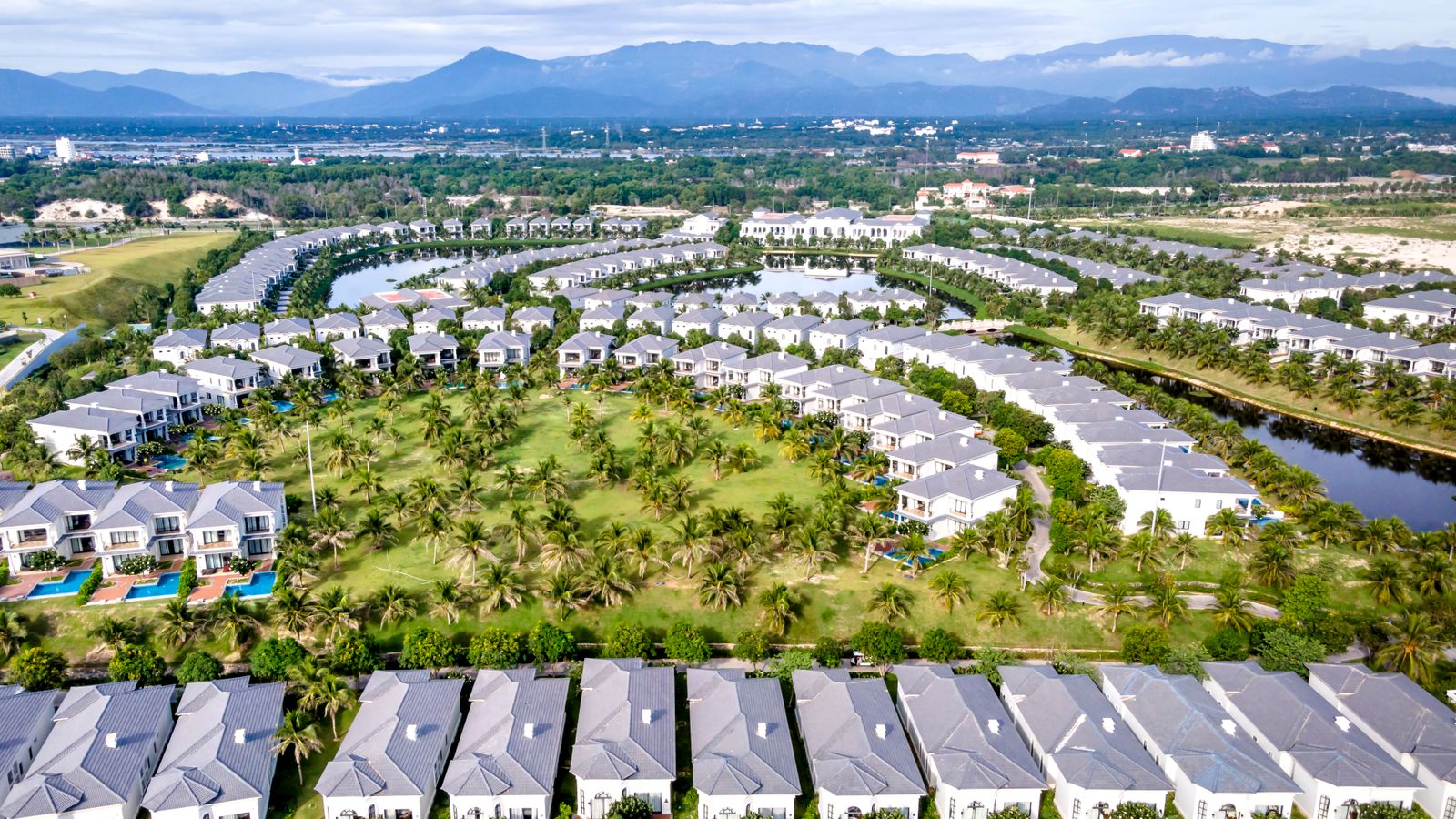
Aerial coverage earns its slot when the location is part of the value. Waterfront, acreage, golf frontage, a gated community layout, these read far better from forty feet up than from the sidewalk, which is why drone videography is one of the most reliable add ons we shoot on South Florida listings.
Aerial work carries a rule agents miss. Anyone flying a drone for a paid listing is operating commercially and needs a remote pilot certificate under the FAA Part 107 rule, so a neighbor with a hobby drone is not a legal shortcut.
Where drone falls down is a small interior listing with no exterior story, a mid rise condo unit, where the aerial adds a building shot and nothing that moves the sale. We say so rather than add a flight to pad an invoice. If you are weighing whether a listing needs air coverage, our comparison of drone versus ground video coverage walks through the call property by property.
The agent and neighborhood video: the format that sells you, not the house
This format points the camera at the agent and the area rather than one listing, a neighborhood guide or a short piece on what it is like to live inside a specific gated community or on a given street. Shelf life is the reason to shoot it. A listing video dies when the home closes, while a strong neighborhood video keeps working for months and builds an agent buyers already trust. These usually live on YouTube and an agent bio page. The tradeoff is that it does not sell a specific house, so it is the wrong place to spend a budget that has to move one property this month.
Interactive 3D tours versus video: where each one wins and loses
A 3D interactive tour, the kind captured with a Matterport camera, is not video and does not replace it. It lets a buyer click through a space at their own pace and check how rooms connect, which helps out of town buyers and higher priced homes. Where it loses is emotion and reach. A dollhouse model does not stop a scroll, play in a feed, or build a story. It is a strong complement to video for the right listing and a poor substitute for it, so we keep it alongside the hero tour rather than in place of it.
Formats at a glance
| Format | Where it plays best | Production effort | Maps to our published pricing |
|---|---|---|---|
| Vertical walkthrough | Instagram, TikTok, Reels | Low, several short cuts per listing | Monthly content system $3,200 to $6,500 per month |
| Cinematic listing tour | Zillow, MLS, YouTube | High, half to full shoot day | Brand film $3,500 to $8,000 |
| Drone and aerial | Top of any listing, waterfront, acreage | Low to medium | Aerial and drone $800 to $2,000 |
| Agent and neighborhood | YouTube, agent bio page | Medium | Brand film $3,500 to $8,000 or monthly system |
| 3D interactive tour | Zillow and MLS embed | Separate capture session | Quoted per property |
What these formats cost, and the video production pricing that fits each tier
Every range here is a starting point from our published video production pricing, not a ceiling, and every one is a real number rather than an estimate invented for this article. Aerial and drone coverage starts at $800 to $2,000 depending on flight time and permits. A cinematic listing tour scopes like a brand film at $3,500 to $8,000. Vertical walkthroughs make the most sense inside a monthly content system at $3,200 to $6,500 per month, because the format rewards steady volume over a single shoot.
One number matters for real estate. Delivery under two weeks adds a rush surcharge of thirty percent, and listings are almost always a rush. Booking the shoot when the home is nearly staged keeps that surcharge off the invoice. For what drives a quote up or down, our guide to how much video production costs in South Florida breaks the line items down.
Where full video production services fit
Most agents do not need every format on every listing. What works is a repeatable package, drone plus a hero tour on premium listings and vertical cuts on everything, folded into ongoing video production services so the brokerage is not renegotiating scope on each new address. That turns video from a one off expense into a system the team relies on.
The order we shoot them in: a decision rule by price band
If a listing has one video budget, shoot the vertical walkthroughs first, add drone when the location sells the home, and add the cinematic tour once the price point justifies a full shoot day. Under roughly the county median, vertical cuts and one drone pass do most of the work. In the luxury tier, the cinematic tour and 3D capture stop being extras, because the buyer pool is smaller, often out of state, and making a trip based on what they saw online. The price of the home decides the mix more than the style of the agent does.
Quotable: A listing video that only lives on the MLS is a destination with no road leading to it.
Who these formats are wrong for
Video is a poor fit for a few situations, and we would rather say so than sell into them. An entry level listing that sells within days rarely needs more than strong photography and a single vertical clip, because the video will not finish rendering before the offers land. An agent who will not post consistently is the wrong fit for the vertical and neighborhood formats, since both pay off through cadence. And a listing with condition problems is better served by fixing the room than filming it, because video shows every flaw a still can hide.
Trust band
Written by Reagan Cotton, owner of Mile 1 Media, a video production studio in Palm Beach Gardens, Florida. We shoot listing tours, drone coverage, agent videos, and social cuts for agents and brokerages across South Florida, and we review the performance of that work every month. This article was last reviewed on August 22, 2026. Pricing ranges reflect our published rates as of that date and are starting points rather than fixed quotes.
Frequently asked questions
What happens if the vertical clips get no views the first week?
Usually it is a cadence or a hook problem, not proof that video failed. One clip posted once behaves nothing like four clips across the first week, and the first two seconds decide whether anyone watches the rest. We look at the opening frame and the posting schedule, then change the edit rather than the format.
Do I need a cinematic tour if I already have a 3D tour?
Usually yes, because they do different jobs. A 3D tour lets a committed buyer explore the layout. A cinematic video builds the emotion and flow that pull a buyer in before they ever click into the model. On higher priced listings both earn their place.
What breaks most often on a real estate shoot?
Staging and timing. The two we hit most are a home that is not fully staged on shoot day, which forces a reshoot, and a booking made so late that the rush surcharge kicks in. Both are avoidable by scheduling once the property is camera ready and before the listing goes live.
How long should a listing tour actually be?
Sixty to ninety seconds for the cinematic tour, and fifteen to forty five seconds for each vertical cut. Longer tours lose most viewers before the primary suite, and the analytics we review show the drop off clearly. If a property needs more, the answer is more short cuts rather than one long video few people finish.
Who owns the footage after the listing closes?
Confirm this in writing before the shoot, because it varies by producer. In our work the agent keeps usage rights to the delivered cuts, which matters for the agent and neighborhood videos that keep working long after one home sells. A studio that will not put ownership terms in writing is a red flag.
Related reading
- 5 Ways Video Marketing Helps South Florida Small Businesses Grow, for how listing video fits a wider marketing plan.
- How to Prepare for Your First Commercial Video Shoot, so your first shoot day runs without a reshoot.
- Why Cheap Video Quotes Cost More, and When Cheap Is Fine, for reading a quote before you sign it.
What happens when you call
Different agents need different first moves. A listing agent with one property to move starts with vertical cuts and a drone pass. A brokerage builds a repeatable package across the team. A luxury specialist leads with the cinematic tour and 3D capture. A first call with us goes like this.
- A fifteen to twenty minute discovery call about your listings, your price bands, and where your buyers actually find you.
- We recommend a format mix per listing tier and tell you plainly where video is not worth the spend.
- You get a written scope and a quote built from the published ranges above, with any rush surcharge flagged up front.
- Once a shoot is booked, we plan around your staging date so the home is camera ready, and in hurricane season we set a weather backup date for the drone and exterior work.
When you are ready to map the right format mix to your next listing, book a free discovery call and we will build the plan around what your properties actually need.
Keep reading




Ready to put video to work for your business?
Mile 1 Media plans, shoots and edits video for South Florida businesses. Tell us what you are trying to achieve and we will map out the shoot.
Book a free discovery call