Do You Need a License to Fly a Drone for Your Business in South Florida?
Filming your South Florida business with a drone almost always needs an FAA Part 107 licensed pilot. Here is what the rules require and when to hire it out.
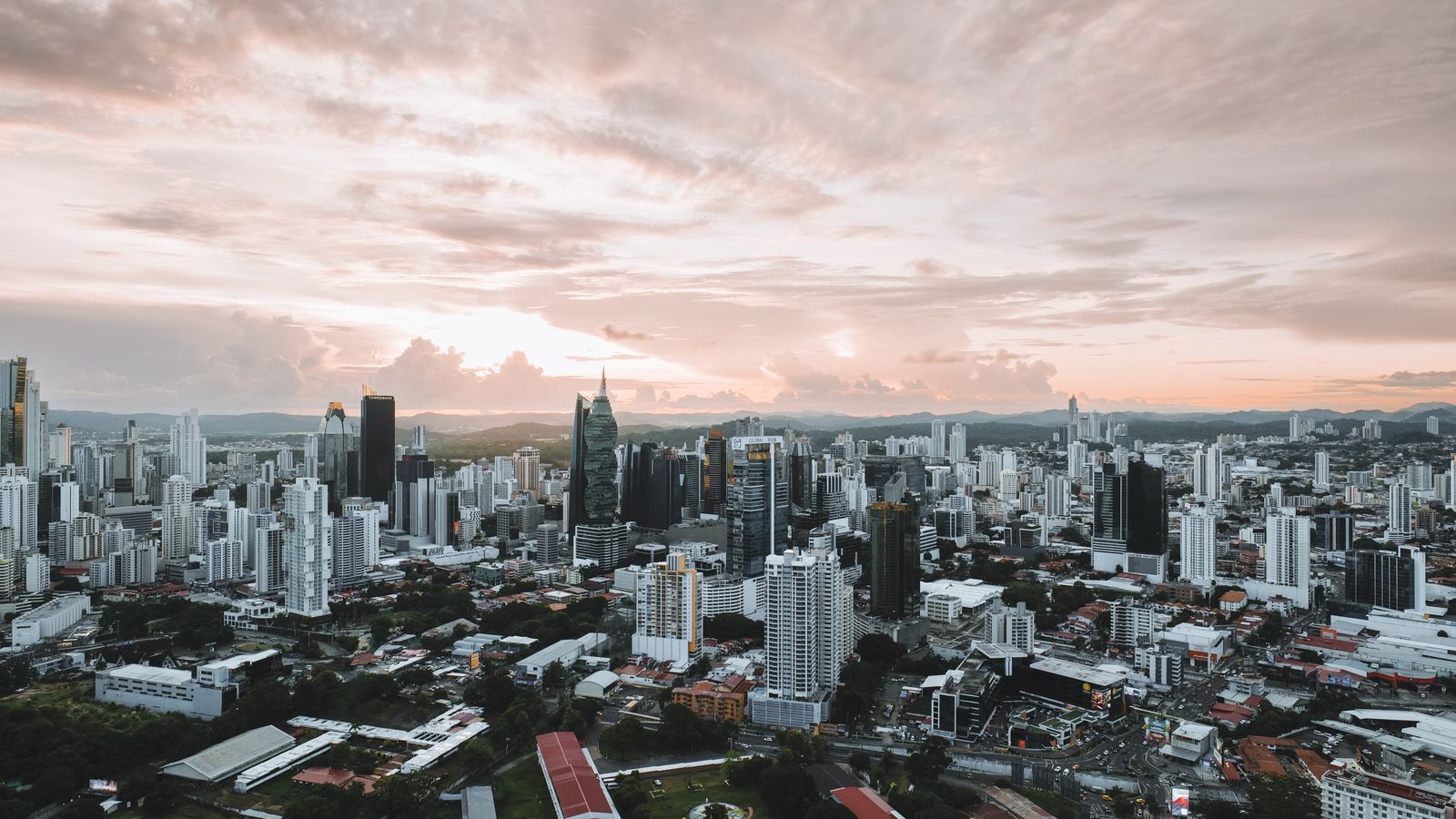
A Palm Beach Gardens listing agent told us about the clip that got pulled. Her nephew flew a drone over a canal-front property, cut a thirty-second aerial, and posted it to the listing. A week later a complaint about the flight forced it down. The footage looked great. The trouble was that a marketing flight flown by an uncertified pilot breaks federal rules, and she had no way to know that until it became a problem she had to clean up.
Mile 1 Media is a video production studio in Palm Beach Gardens that builds monthly video systems and one-off shoots for service businesses and regional brands across South Florida. We fly aerial coverage on real shoots from Stuart down to Broward, so this question reaches us most weeks. This piece covers when a business drone flight needs an FAA license, what else the rules ask for, and when hiring a licensed team beats doing it yourself. It leaves the insurance and tax side to your own advisors.
The short answer, before the details
If you fly a drone to make video for your business, or if anyone pays you to fly, you need an FAA Part 107 remote pilot certificate. Marketing footage counts as a business use. The relaxed recreational rules stop applying the moment a flight serves a company, a listing, or a sale, no matter who owns the drone or whether money changed hands for the flight.
That line comes from the FAA's Part 107 rules, the federal framework for small commercial drone flights. The rule does not turn on payment. It turns on purpose. A clip shot to promote a company is a commercial operation, and a certificated pilot has to be the one flying it. The agent's nephew was a capable flyer, and still the wrong person to run that flight.
The five checks that decide whether a business flight is legal
We run the same five checks before any aerial shoot. Purpose, pilot, registration, broadcast, and airspace. Each one is a yes or a no, and a single no grounds the flight until it gets fixed.
Purpose puts you under Part 107
The first check is the one people get wrong. A drone flown to sell a house, show a job site, or fill a promo reel is doing business, and business flights live under Part 107. The recreational carve-out is for flying purely for fun. A listing video has a commercial angle by definition, which is exactly where the Palm Beach Gardens agent went sideways.
Pilot means a certificated person on site
The person flying has to hold an FAA remote pilot certificate, which means passing the FAA knowledge test, filing for the credential, and being at least sixteen. The certificate belongs to the individual, not the company, so the human at the controls is the one who has to carry it. The FAA's remote pilot resources lay out the study material and the testing steps for anyone who wants to earn it.
Registration puts the aircraft on file
Any drone flown commercially has to be registered with the FAA. Registration runs five dollars, lasts three years, and covers aircraft under fifty-five pounds, which is every camera drone a business would use. The full rule text lives in the federal small-drone regulations for anyone who wants the exact language rather than a summary.
Broadcast means Remote ID is on
Since late 2023, a registered drone has to broadcast Remote ID, a signal reporting the aircraft's location and its operator's rough position while it flies. Most drones sold in the last few years do this once registration is entered. A drone with no Remote ID is not legal to fly for business outside a small set of approved fields.
Airspace is the one South Florida makes hard
Much of the built-up coast from Jupiter to Fort Lauderdale sits under controlled airspace tied to Palm Beach International and the smaller fields around it. Flying there for business needs an authorization before takeoff, usually granted in seconds through an automated clearance system, sometimes not granted at all near a runway approach. State law matters too, and Florida's drone surveillance law restricts filming individuals on private property in ways a marketing shoot has to respect.
Quotable: The footage is never the problem. It is the paperwork behind the flight that grounds a business, and that part stays invisible until it is not.
What a licensed drone videography team handles that a solo flyer misses
Four of the five checks are administrative and one changes by location, which is where a solo flyer with a good camera drone tends to fall down. This is the gap our drone videography work is built to close. A licensed operator carries the certificate, keeps the aircraft registered and broadcasting, pulls the airspace clearance for the exact address, and reads the coastal wind before committing to an afternoon flight over the Intracoastal. None of that shows up in the final clip. All of it is what keeps the clip online.
The creative side matters too, and we covered where aerial actually earns a place in our breakdown of drone versus ground video coverage. The short version is that aerial sells scale and location, and ground footage sells the thing a buyer touches.
Drone for a real estate listing carries its own rules
Aerial is the shot that sells a waterfront or acreage property, which is why our real estate video production leans on it for canal-front and large-lot listings across Palm Beach and Martin counties. For an agent, the licensing question is not trivia. A flight over a listing is a commercial operation, so the pilot needs Part 107, the drone needs registration, and a coastal address usually needs airspace clearance. The agent whose clip got pulled learned that in the worst order. On the reshoot we ran the checks first, and the footage stayed up.
What licensed aerial work costs, and where the pricing lands
Hiring a licensed operator for aerial coverage runs eight hundred to two thousand dollars on our published video production pricing, and that range buys the certificate, the registration, the Remote ID compliance, the airspace clearance, and a pilot who has flown this coast in this wind before. A DIY flight looks free until you add the certificate you have to earn and the risk of a grounded clip. We broke the aerial line out further in our guide to what drone video costs in South Florida.
When to hire full production services instead of just a pilot
A standalone licensed pilot is the right call when you already have an edit and only need one clean establishing shot dropped into it. You do not need our full video production services for that, and we will say so on the call rather than sell you a package you would not use. Hiring the whole team makes sense when aerial is one piece of a larger video, or when you want the flight, the edit, and a month of content planned together. If the drone is all you need, a solo Part 107 pilot is the cheaper and honest answer.
What to confirm before your next business flight
Before an aerial shoot goes ahead, four things are either true or they are not. The pilot on site holds a current Part 107 certificate. The drone is registered and broadcasting Remote ID. The address has airspace clearance, or sits in clear airspace to begin with. The shot list avoids filming identifiable people on private property in a way the state law limits. When all four are true, the footage is yours to keep using.
Written by Reagan Cotton, owner of Mile 1 Media. Last reviewed September 8, 2026.
Frequently asked questions
What happens if we post drone footage that was shot without a license?
The immediate risk is a grounded clip and a complaint, which is how the Palm Beach Gardens listing lost its aerial. Beyond that, flying a commercial drone without a Part 107 certificate can draw an FAA enforcement action against the operator, and using the footage does not cure the flight that produced it. The practical fix is a reshoot with a certificated pilot rather than hoping the first clip goes unnoticed.
Can we use our own drone if one of us earns the Part 107 first?
Yes. Nothing stops a business from flying in-house once someone on staff holds the certificate, the drone is registered and broadcasting Remote ID, and the airspace is cleared. The trade is time. Earning the certificate, keeping up with rule changes, and pulling clearances for every location is real ongoing work, which is why some businesses hand the whole flight to a studio.
Do we need clearance to fly near Palm Beach International?
Usually yes. Most of the developed coast near the airport sits in controlled airspace, and a business flight there needs an authorization before takeoff. The automated system approves many spots in seconds, but the closer a location sits to a runway approach, the more likely the answer is a hard no or a strict altitude cap.
What happens if the weather turns on the shoot day?
Aerial gets rescheduled, and that is the right call rather than a fight. Coastal wind, afternoon storms, and gusts off the Intracoastal make some windows unsafe to fly, and a licensed pilot reads that before committing. We plan aerial for the calmer part of the day and keep a backup date, because a clip is not worth a lost drone or a risky flight.
Does hiring a licensed pilot cover our insurance?
Not automatically, and this is worth checking rather than assuming. A Part 107 certificate is a competence and legality credential, not an insurance policy. Many operators carry their own liability coverage, and some clients add drone work to their own policy for a shoot. Ask what coverage the flight carries before the day.
Who is liable if a drone hits something during a business shoot?
Liability tends to follow the operator running the flight, which is one reason the certificate and coverage question matters. When you hire a licensed studio, the pilot flying is responsible for the operation and its risk. When an unlicensed friend flies for your business, the picture gets murky fast, and the business that posted the footage can still get pulled into the complaint.
Related reading
- The Best Video Formats for South Florida Real Estate Listings in 2026, and Which to Skip. Where aerial fits among the formats that actually move a listing.
- Seven Mistakes Businesses Make Hiring a Videographer in South Florida. How to vet a crew so the licensing question never becomes your problem.
- How Much Does Video Production Cost in South Florida?. The full pricing picture that aerial sits inside.
What happens when you call
A discovery call runs about twenty minutes and it is free. We ask what the footage is for, we check whether the location sits in controlled airspace, and we tell you whether you need a full shoot or a single licensed flight. If aerial is not the right spend for your goal, we say so on the call. If it is, we handle the certificate, the clearance, and the flight. Book a discovery call and tell us the address you want in the air.
Keep reading



Ready to put video to work for your business?
Mile 1 Media plans, shoots and edits video for South Florida businesses. Tell us what you are trying to achieve and we will map out the shoot.
Book a free discovery call