Best Video Types for a Pest Control Company in South Florida
Which videos actually book a South Florida pest control company customers, the FDACS and FTC rules to film inside, and what each type costs.
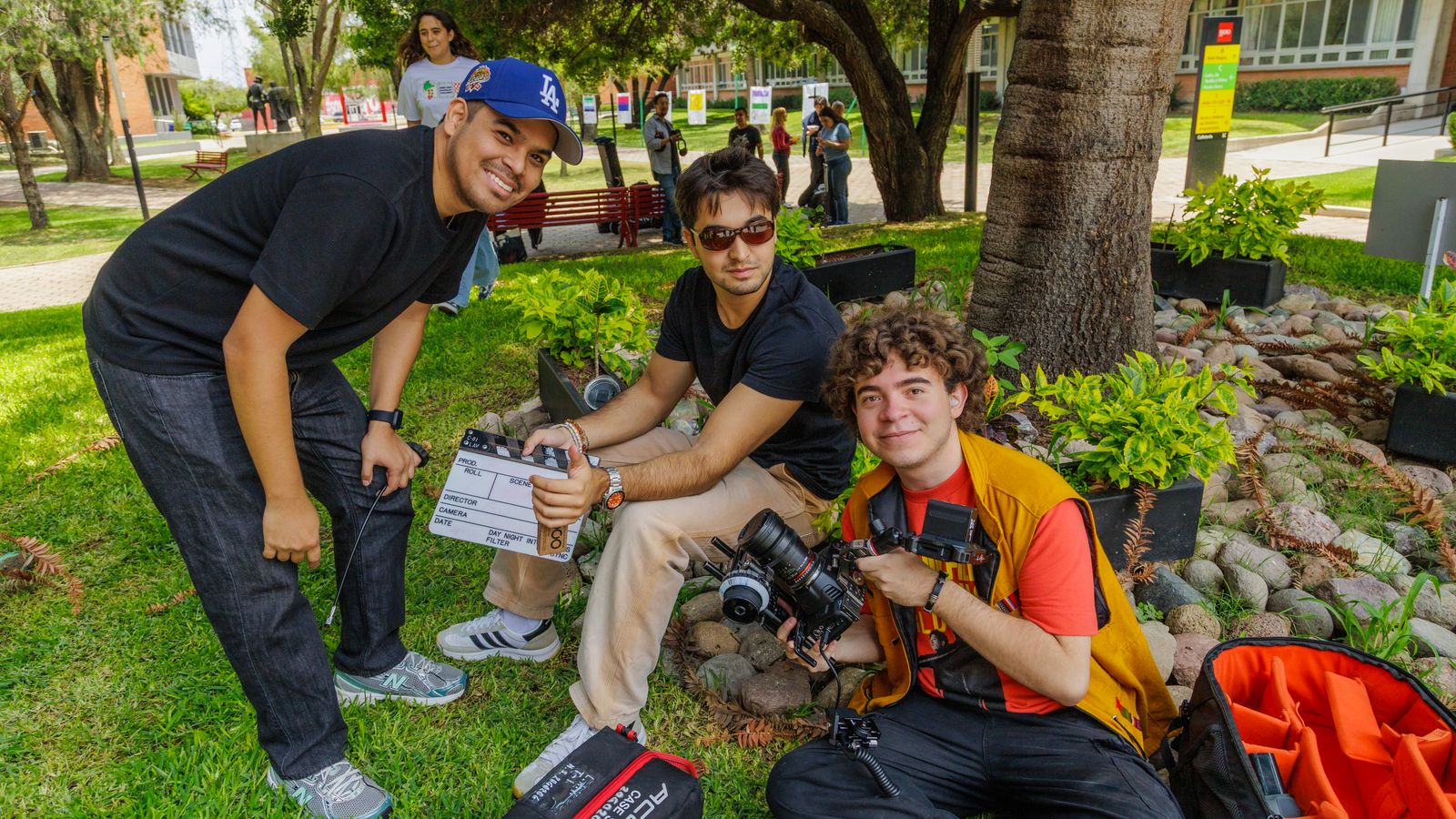
Mile 1 Media is a video production studio in Palm Beach Gardens that builds monthly video systems and one-off shoots for service businesses across South Florida. Pest control owners keep asking us for the one clip that will make them blow up on social the way a competitor did. That is the costly mistake. One viral clip does almost nothing for a local pest control company, and chasing it burns a budget a few plain, useful videos would have earned back. We shoot for field-service businesses across Palm Beach County and see which pest control videos turn into booked treatments. This piece covers the types that work, in the order a customer meets your business, plus the Florida and federal rules that decide what you can say on camera.
The short answer: five video types, ranked by when a customer meets you
A South Florida pest control company gets the most from short social clips, a Google Business Profile video, two or three real customer testimonials, one service explainer per core problem, and simple property or drone footage. Skip the scripted brand film until those five are running. The clips that convert are the ordinary ones a homeowner recognizes.
A homeowner with carpenter ants searches, reads reviews, watches a clip or two, then calls, so we order the list the way that path runs.
Stage one: short social clips for the seasons that drive South Florida calls
Pest demand here runs on a calendar. Termites swarm in spring, mosquitoes peak through the rainy season from May into October, and rodents move indoors when the weather cools. A ten second clip of a technician pulling a mud tube off a baseboard during swarm season lands the week a homeowner starts noticing. We compared the formats in our guide to Reels, TikTok, and YouTube Shorts for South Florida businesses. The honest answer is to post the same clip to all three and let the one that works carry.
This stage rewards an ongoing cadence over a one-off shoot. A steady run of short clips is what a social media video production system produces, and a pest control calendar rewards it because the seasons repeat every year.
Stage two: the Google Business Profile video a homeowner watches before calling
Before a homeowner dials, they look you up. A thirty to sixty second video of your crew, your truck, and a real treatment answers the quiet question every caller has: are these people who they say they are. You can add it to your listing through Google Business Profile, where it sits next to your reviews. Keep it unpolished on purpose. A clip of your technician walking an actual roofline in Jupiter reads as proof, where a produced spot reads as a commercial.
Stage three: customer testimonial video, the proof that beats a written review
A written five star review is easy to doubt. A real customer on camera, in their own yard, saying the ants came back twice with the last company and not once since you, is the most persuasive asset a pest control company can own when a homeowner is comparing two quotes. We go deeper in our piece on why South Florida businesses need testimonial videos.
A rule is attached to this one, covered below, so film the praise the customer actually gives and never coach a claim they would not make. A clean testimonial video production is worth more than a staged one, and it holds up if anyone questions it. The tradeoff is time: an established company with happy accounts leads here, while a new operator starts at stage one and comes back once the work exists.
Stage four: one service explainer per core problem you treat
After the feed and the reviews, a homeowner wants to understand what they are buying. A ninety second explainer for each core service, termites, mosquitoes, rodents, lawn and ornamental, does the work your website copy cannot. Show the inspection, name what you check in a South Florida home, the attic, the eaves, the irrigation box, and say what the treatment covers. One that answers termite bond versus one-time treatment also gets found on YouTube for months, long after a social clip has scrolled away.
One shoot day can produce a full set of these, the approach we cover in turning one shoot day into a month of content.
Stage five: drone and property video, used for scale, not for show
Aerial footage earns its place on commercial accounts, HOAs, and large sites where a perimeter treatment is hard to grasp from the ground. For a single-family home it is usually overkill. A short drone videography clip of a crew treating a ten acre community in Wellington tells a property manager you can handle the scope, while the same shot of a quarter acre lot tells a homeowner you are charging for a toy. The drone budget belongs on commercial and HOA bids.
The rules a pest control video has to follow in Florida
Pest control is licensed and regulated, so some of what you want to put on camera is not yours to say. This is a plain-language summary and not legal advice, so confirm your situation with the agencies below and your attorney before you publish.
Structural pest control in Florida is licensed under Chapter 482 and administered by the Florida Department of Agriculture and Consumer Services. The state advertising rules expect your licensed business to be identified in its advertising, so a video must not imply you are licensed for a category you do not hold.
Product claims are governed federally. Pesticide claims have to stay consistent with the EPA-registered label, and the EPA pesticide program treats off-label efficacy or safety claims as a real problem, including in marketing. Do not promise a result or a safety level on camera that the label does not support.
Testimonials carry their own layer. The Federal Trade Commission updated its endorsement guides in 2023, and they require that a testimonial reflect the customer's honest experience and that you disclose when a reviewer was compensated, which comes down to filming real customers saying real things.
What each pest control video costs, and what moves the number
Here is what these pieces run at our studio. The figures match our published video production pricing, and the range inside each type is driven by crew size, locations, and edit scope.
| Video type | Typical investment | What drives the number |
|---|---|---|
| Monthly short-social system | $3,200 to $6,500 per month | Clips per month and shoot frequency |
| Customer testimonial video | $1,500 to $3,500 | Customers filmed and travel between locations |
| Aerial and property footage | $800 to $2,000 | Site size, permissions, and licensed drone time |
| Commercial or ad spot | $5,000 to $15,000 | Script, talent, locations, and finishing work |
| Brand film | $3,500 to $8,000 | Shoot days, story scope, and number of cutdowns |
| Event or community sponsorship | $3,500 to $7,000 | Coverage hours and edit turnaround |
The brand film and the ad spot are the most expensive and lowest on our ranking: a pest control company reaches for them first and needs them last. If a studio opens your call by pitching a brand film, it is selling its favorite project, not the one your business needs.
Quotable: The pest control videos that get you booked are the ordinary ones a homeowner recognizes, not the cinematic one a studio wants to shoot.
When a pest control company should not spend on video at all
Video is the wrong first investment for some operators, and Mile 1 Media will tell you so on the call. If your phone goes unanswered, your Google Business Profile is thin, or your reviews are mixed and unaddressed, fix those first, because a good video only sends more homeowners to a booking path that already leaks. Video is also the wrong tool if your whole plan is one clip, since a single asset does not build the repetition a local brand needs. When the basics are solid, our video production services are built around a steady cadence rather than one-off hero pieces.
Questions to ask any studio before you book a pest control shoot
- Who owns the footage and raw files. You want to own the finished videos and get the raw files on request. A red flag is footage tied to a renewal.
- How do you keep us compliant with the label and the state. A strong answer already knows pesticide claims and testimonials carry rules. A red flag is a blank look.
- What is the plan for the second month. A strong answer is a cadence tied to your seasons, not just the one shoot.
Trust band
Written by Reagan Cotton, owner of Mile 1 Media. Reagan writes from the shoots the studio runs for service businesses across Palm Beach County and the monthly analytics the team reviews. Last reviewed October 15, 2026. This article summarizes advertising and licensing rules in plain language and is not legal advice.
Frequently asked questions
Is video wrong for a small, one-truck pest control operation?
Usually not, as long as you start at the right stage. A one-truck operator does not need a brand film or a drone, but short social clips during termite and mosquito season cost little and reach nearby homeowners just noticing the problem.
How do I know if we are ready for a monthly video system?
You are ready when your phones get answered, your Google Business Profile is claimed and current, and your reviews are mostly positive. A monthly system feeds your booking path, so that path has to work first.
Can we show technicians applying product without legal trouble?
Yes, with care. Showing a licensed technician treating a home is fine. The trouble starts when the edit or caption claims a result or safety level the pesticide label does not support, which can draw an EPA or state issue. Avoid promising an outcome the product is not registered to deliver.
Do customer testimonials need any disclosure?
Sometimes. If a customer was paid, given a discount, or otherwise compensated for their review, the FTC endorsement rules require you to disclose that clearly. An unpaid customer giving an honest account needs none, so the safe path is real customers and no incentives.
Which single video should we make first if the budget covers only one?
A short, honest profile video for your Google Business Profile, built from real footage of your crew and a treatment. It sits where every caller already looks and costs far less than a produced spot.
What happens when you call
- A twenty minute discovery call. We ask what you treat, where your customers come from now, and which seasons drive your phone.
- A plain shoot list. Within a few days we send the videos we would make first and the ones we would hold.
- A clear cost and cadence. You see what the first month and the ongoing rhythm cost before you commit.
If that sounds useful, book a free discovery call through our contact page and tell us what pest problem your customers call about most.
Related reading
- Best Types of Video for an HVAC Company in South Florida. The field-service playbook next door.
- 5 Ways Video Marketing Helps South Florida Small Businesses Grow. The wider case for video before you pick a type.
- How Much Does Video Production Cost in South Florida?. The full pricing picture across every service.
Keep reading


Ready to put video to work for your business?
Mile 1 Media plans, shoots and edits video for South Florida businesses. Tell us what you are trying to achieve and we will map out the shoot.
Book a free discovery call