What Video Works for a South Florida Restaurant or Hotel, and What to Skip
The video a South Florida restaurant or hotel gets the most from, what to skip, and what a shoot day costs, from a Palm Beach Gardens studio.
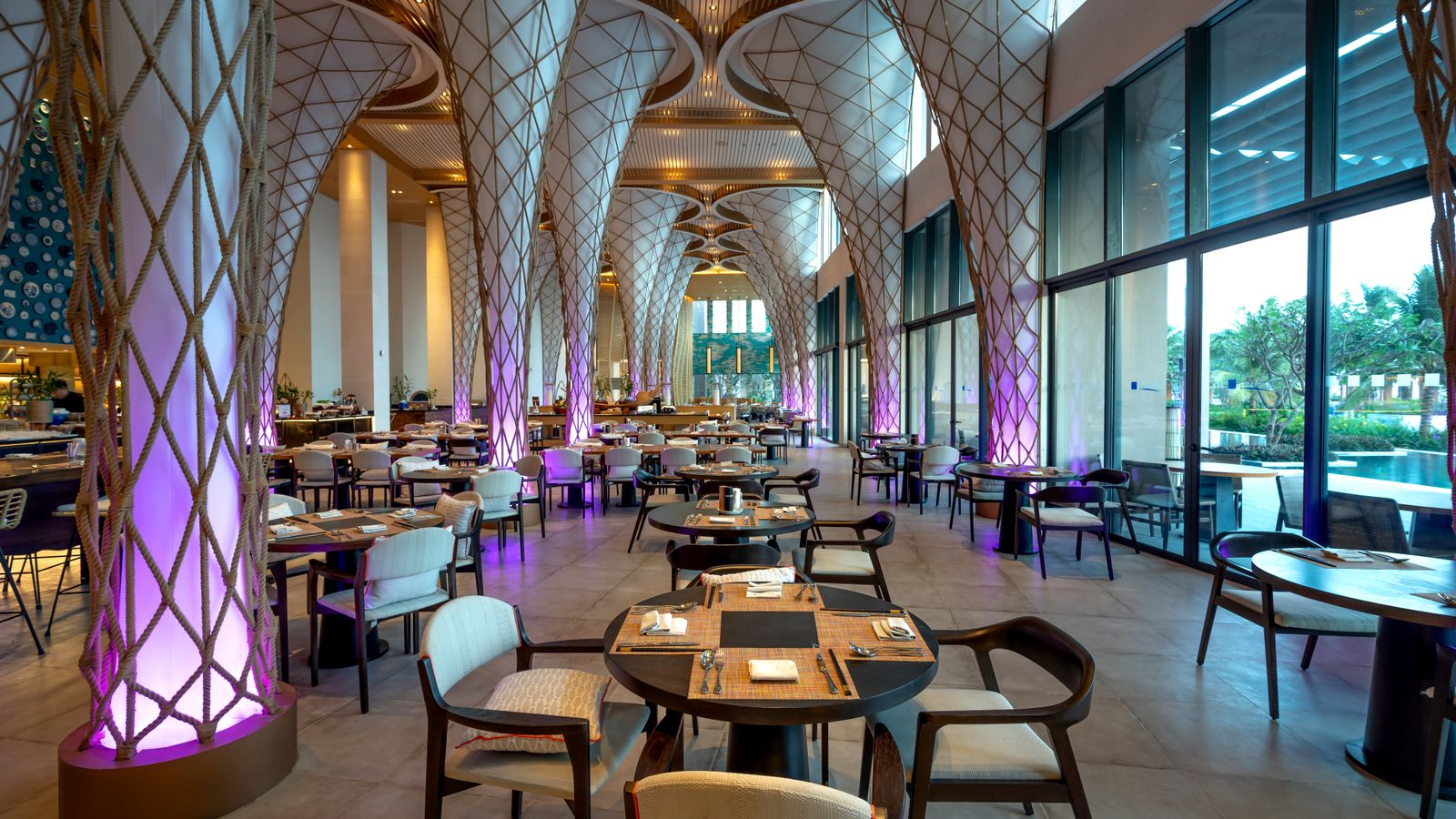
It is a Friday night in season, the dining room is full, and the only footage anyone captured was a shaky vertical clip a server shot between tables. The question we hear most from restaurant and hotel owners across South Florida follows from it: with a full room in front of you, what should a camera be pointed at, and what wastes a shoot day.
We are Mile 1 Media, a video production studio in Palm Beach Gardens that builds monthly video systems and one-off shoots for service businesses across South Florida. We shoot in kitchens, dining rooms, and event spaces from Palm Beach to Fort Lauderdale, then read the next month of analytics to see which cut filled a table. This piece covers the videos that earn their cost for a restaurant, bar, hotel, or venue, and which to skip.
The short answer, before you book a shoot
The first video most South Florida restaurants get real value from is a short, muted-friendly social clip of the food and the room, cut for vertical feeds and posted every week. A hotel, resort, or event venue usually gets more from a two-minute brand film of the guest experience, because the decision it drives is bigger and slower.
Key facts for a hospitality shoot
- The season sets the calendar. South Florida hospitality runs on the November-to-April window, so footage you post in January is shot before the crowds arrive.
- Most of your audience watches with the sound off while scrolling Instagram, so a clip has to read in the first two seconds and make sense muted.
- One well-run shoot day produces a month of posts. The waste is not the camera, it is shooting with no plan for where each clip goes.
Start here: what are you actually trying to fill
Hospitality video splits by the problem in front of you. Empty tables on a Tuesday are a different job from an unbooked events calendar, and both differ from a hotel with beautiful rooms and three phone photos online. We plan around the gap, then pick the format.
If slow weeknights are the problem, lead with social
Short vertical clips of the food coming together and the room filling up are the workhorse for a restaurant with quiet midweek covers. They are built to be watched muted, because that is how most of your feed sees them while scrolling. A steady weekly clip beats a single perfect one, so our social media video production runs on a repeatable monthly cadence rather than a lone hero video.
If private events and catering pay the bills, shoot the room doing its job
A venue or catering arm needs footage of a real event in full swing, not an empty space with the chairs stacked. A planner scrolling for a rehearsal-dinner spot wants to see how the room turns over and how the light falls at golden hour. That is event video production work, the clearest way to show a buyer a space they cannot yet picture.
If you run a hotel, resort, or bar with a view, sell the whole experience
A hotel books a slower decision, so a two-minute brand film of the arrival, the room, and the sunset does more than a fast clip. Drone work over South Florida coastline falls under federal rules, so any operator flying for you carries a Part 107 certificate from the FAA. A resort still needs the short social clips, but the anchor asset is the experience film on the booking page.
What a full video production service covers, and what you shoot on a phone
Not every clip needs a crew. A phone in a trained team member's hands is fine for raw, in-the-moment posts. A hired team earns its cost when lighting, audio, and a repeatable system matter.
| Phone content by your team | A hired production team |
|---|---|
| Good for: same-day specials, behind-the-line moments, staff personality. | Good for: the brand film, the ad, the anchor clips that carry your look for a year. |
| Falls down on: low light, kitchen noise, consistency when a shift gets busy. | Falls down on: cost per post if you only ever want one-offs with no plan. |
| Suits: an owner who posts daily and does not mind a rough edge. | Suits: a business that wants a month of usable content from one shoot. |
The version that wastes the least money uses both. We wrote a walkthrough on how to turn one shoot day into a month of content.
The full format list sits on our video production services page.
Quotable: The camera is never the expensive part of a restaurant video. The wasted shoot day is, and that only happens when nobody decided where each clip goes before the crew arrived.
What restaurant and hospitality video production costs
Every price below is a starting range from our published video production pricing, and every range is a starting point rather than a ceiling. Delivery under two weeks adds a rush surcharge.
| What you are buying | Starting range | What moves the price |
|---|---|---|
| Monthly social clips, a full content system | $3,200 to $6,500 / month | Volume of monthly output, shoot days, editing tier |
| Brand film, the story of the place | $3,500 to $8,000 | Script development, shoot-day length, motion graphics |
| Commercial or paid ad spot | $5,000 to $15,000 | Crew size, licensed talent, paid-media usage rights |
| Event or private-dining coverage | $3,500 to $7,000 | Hours on site, number of operators, edit turnaround |
| Guest or owner testimonial | $1,500 to $3,500 | Interviews, lighting setup, number of locations |
| Aerial or drone add-on | $800 to $2,000 | Flight time, permits, 4K deliverables |
For most independent restaurants, the monthly content system returns the most, because it turns one shoot into weeks of posts instead of a single expensive film. A hotel or a venue with a larger booking value tends to justify the brand film and the ad spot.
An annotated shot list for a restaurant shoot day
This is the checklist we work from on a hospitality shoot, with the reason each shot is on it.
- The hero dish finished at the pass. Steam, a sauce spoon, a garnish landing. Motion sells food better than a static plate, and it is the two seconds that stop a scroll.
- The room at golden hour, lights just on. This is the shot a date-night couple pictures themselves inside. Shot too bright, it looks like a cafeteria.
- Hands and faces, not only plates. A server setting a table, a bartender's pour, a guest's first reaction. People give a room warmth an empty interior never carries.
- One clip for sound off, one for sound on. The muted cut runs on a feed like TikTok. The version with ambient noise runs on the site and in an ad.
- An establishing exterior, and for a resort, the aerial. On a beachfront property, the drone pull-back places you before a viewer trusts the inside.
Who this is wrong for
Video is not the first fix for every hospitality business, and we will say so on a call. A restaurant with a broken reservation flow or a two-star average on the profiles diners actually check gets a faster return from repairing those first.
If diners cannot book a table on OpenTable, a beautiful film sends traffic to a page that cannot take the reservation.
The same money leaks if they cannot find your hours or see current photos on your Google Business Profile. A brand-new spot still settling its menu is often better served waiting, so the footage does not expire in a month. In those cases we would rather tell you than sell you a system.
Questions that separate a strong video team from a weak one
Questions a hospitality buyer can put to any studio, with the competent answer and the red flag.
- How many usable clips come out of one shoot day? Strong: a real number tied to a plan for where each clip posts. Red flag: one film and no system around it.
- Do you shoot muted-first for social? Strong: they talk about the first two seconds and on-screen text. Weak: only music and color grade.
- Who carries the drone certificate? Strong: a named Part 107 pilot on the crew. Red flag: the question gets waved off.
- What happens when our menu or room changes? Strong: footage planned to outlast a specials board. Weak: a film built around a dish you drop in two months.
- How do you measure whether it worked? Strong: saves, shares, and covers or bookings. Red flag: view count only.
Trust band
Written by Reagan Cotton, owner of Mile 1 Media, a video production studio in Palm Beach Gardens that shoots for restaurants, bars, hotels, and event venues across South Florida and reviews the next month of performance on every shoot. Last reviewed: 2026-09-06.
Frequently asked questions
How much does a restaurant video cost to get started
A monthly social content system starts at $3,200 to $6,500 per month, and a one-off brand film starts at $3,500 to $8,000. The number moves with how many shoot days you need, how much monthly output you want, and the editing tier. Every range on our pricing page is a starting point, not a ceiling.
How much of my own time does a shoot day take
Plan for a half to a full day of access, plus about an hour of planning beforehand. The kitchen gives the crew a window, the room is set as a guest sees it, and one person who knows the menu stays reachable.
Can we just use phone videos our staff shoots
Yes, for daily raw posts. It falls down on low kitchen light, background noise, and consistency once a shift gets busy. The pattern that returns the most pairs staff phone posts with a monthly professional shoot for the anchor pieces.
What is the return on video for a restaurant
We track it and cannot promise a figure. What we measure is saves, shares, profile visits, and covers on a slow night, not raw view counts that look good and book nothing. A clip with 2,000 quiet views that drives ten Saturday bookings beat one with 50,000 views and an empty room.
Do we need drone footage
Usually not for a small indoor restaurant, and usually yes for a beachfront resort, a rooftop bar, or a waterfront venue. Aerial earns its cost when the location itself is part of the sell. Any legal flight over South Florida coastline is flown by a Part 107 certified operator.
Related reading
- Five Types of Video Every South Florida Business Needs. A wider map of formats.
- How Much Does Social Media Video Cost in South Florida?. The cost detail behind the monthly clips most restaurants start with.
- What Does Event Video Coverage Cost in South Florida?. For a venue or catering arm weighing the events branch.
What happens when you call
A discovery call runs about 20 minutes and follows three steps. First, we ask what you are trying to fill, a slow weeknight, an unbooked calendar, or a hotel that needs an anchor film. Second, we name the one or two formats that fit that gap and the honest cost range, or we tell you if video is the wrong first spend. Third, if it is a fit, we map a single shoot day. You can book that on our free discovery call.
Photo by Dwight Burdette, licensed under CC BY 3.0.
Keep reading
Ready to put video to work for your business?
Mile 1 Media plans, shoots and edits video for South Florida businesses. Tell us what you are trying to achieve and we will map out the shoot.
Book a free discovery call