What Goes Wrong When You Film Without a Script in South Florida (and When You Can Skip It)
Filming without a script wastes shoot days. Here is what goes wrong for South Florida businesses, and which videos are fine without a plan.
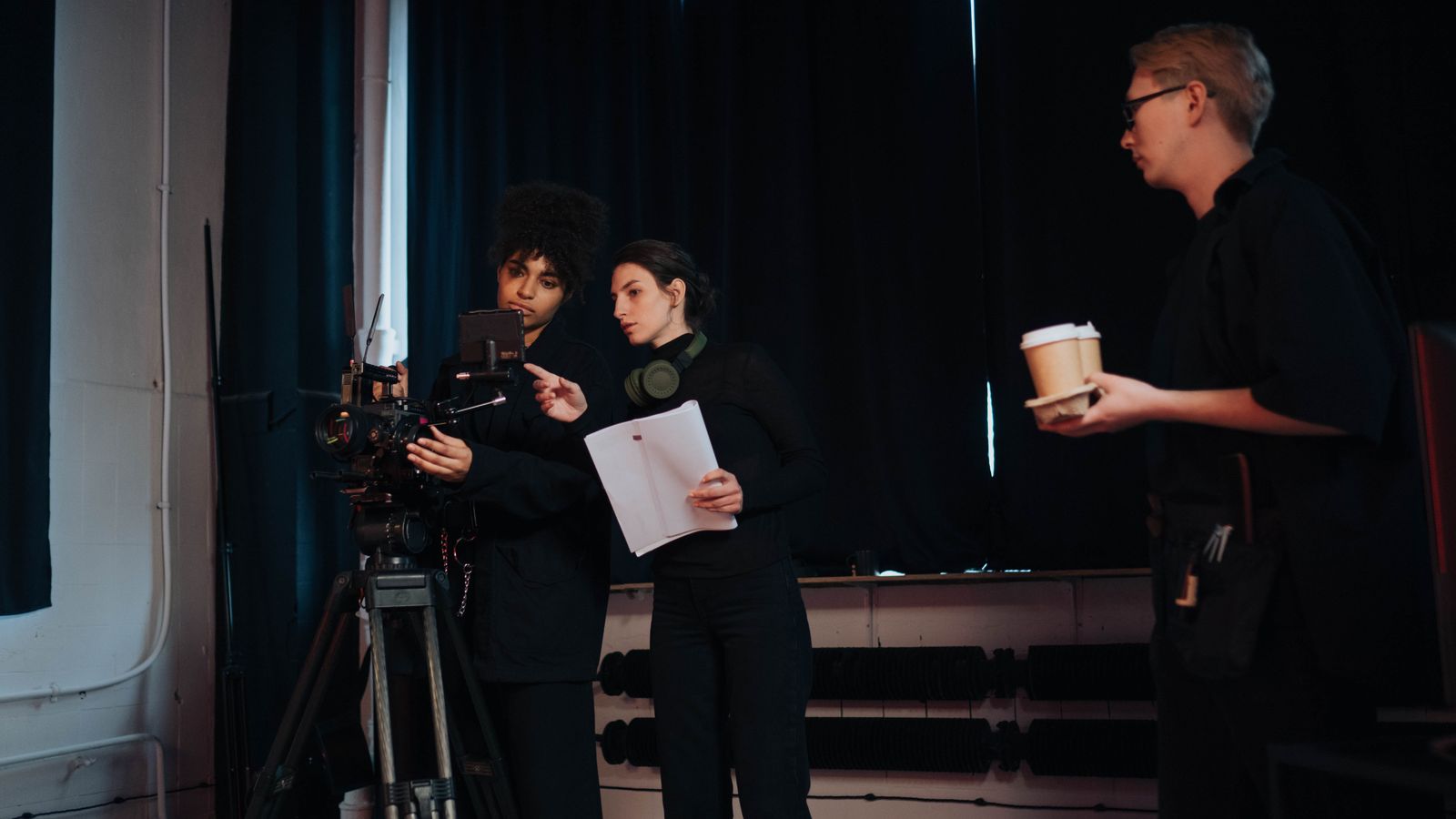
Most people asking whether they need a script are asking two questions at once, and the word hides the confusion. To one person a script is a word-for-word document read off a teleprompter. To another it is a rough outline of what the video has to say and in what order. The honest answer depends on which one you mean.
Mile 1 Media is a video production studio in Palm Beach Gardens that builds monthly video systems and one-off shoots for service businesses across South Florida. We are writing this because "we will just wing it on the day" is one of the most expensive sentences a client says. The cost shows up later, in the edit, when the footage will not cut into anything that works. This piece covers what goes wrong without a plan for the words, sorted by how much planning the video needed.
The two things people mean by "script" decide the whole argument
A script is not always a page of lines to memorize. In our work it means the decision about what the video is for, what it has to say, and the order it says it in, written down before the shoot day is being paid for. A few videos need every word locked. Most need the plan, not the paragraph. The failures we see come from having neither.
When a client says they do not want to sound scripted, they are arguing against the word-for-word version, and we agree. Then they skip the plan too, and that is where the day goes sideways.
A real shoot without a plan: forty minutes of footage, none of it usable
A pattern we run into often. A med spa in West Palm Beach books a shoot to explain one treatment, because patients keep asking the same questions before they book. No outline: she knows the treatment cold and did not want to sound stiff. The camera rolls, and she talks warmly for a long stretch: the science, the clinic's history, two treatments nobody asked about, and a joke. She never says what the treatment costs, who it is not right for, or what to do next. In the edit, no clean take answers the buyer's question, because nobody decided in advance what that question was. A brand film with us runs from $3,500 to $8,000, and the fastest way to double that is to shoot it twice. That is the real cost of filming without a plan: a repeated video.
The four levels of scripting, from none to every word
Scripting is not on or off. It runs along a range, and the mistake is treating the whole range as one scary thing called sounding scripted. Here is how we size it.
| Level | What it is | Right for | What goes wrong without it |
|---|---|---|---|
| None | Roll and react | Candid moments, behind-the-scenes phone clips, live event atmosphere | Nothing, if the moment is the point |
| Outline | The three or four things the video must say, in order, call to action last | Founder to camera, explainers, most social clips | Rambling, buried point, missing call to action |
| Talking points | Outline plus the exact opening and closing line | Ads, testimonials you are steering, anything with a hook | Weak first three seconds, so the view is lost before the message |
| Full script | Every word, usually on a teleprompter | Commercials, voiceover, regulated language, tight time slots | Overruns, off-message claims, retakes that eat the day |
The switching point most businesses miss is the jump from none to outline. That is the cheapest scripting there is, often four bullet points in a shared Google Doc. When a founder tells us they freeze on a teleprompter, we push them to a tight outline and a locked first line, which is most of what our guide on how to prepare for your first commercial video shoot is about.
Without a plan, the first three seconds are left to chance
On most platforms the opening decides whether anyone sees the rest. Filmed without a planned first line, the video opens with a slow windup or "so, um, today I wanted to talk about," and the viewer is gone before the point arrives. The plan does not have to script the whole video. It has to lock the hook.
Watch how any strong clip opens on YouTube or Instagram and the first line is doing real work in the first second. Without a plan, the opening is whatever the person said while warming up, and warming up is not a hook.
The costs of no script land in the edit, not on the shoot day
The shoot day without a plan often feels great, and the bill comes later. First is edit time, because unplanned footage has to be watched in full and rebuilt into a structure that was never shot, and tools like Descript speed up the reading but cannot invent a take that was never said. Second is the missing take, since you cannot cut to a line that does not exist. Third is review rounds, because when a rough cut has no spine the notes pile up in tools like Frame.io. A plan is cheaper than all three, and it is the core of the strategy-first system we run before any shoot.
Who should skip the script entirely
Scripting is wrong for some videos, and we would rather say so than sell planning nobody needs. If the video is a candid reaction, a behind-the-scenes phone clip, or a live event moment whose appeal is that it is real and unrepeatable, a script removes the thing that made it worth filming. The same goes for a founder who is great off the cuff on a subject they know cold, as long as someone decided the one point the clip has to make.
Quotable: A script is not the words an actor reads. It is the decision about what the video is for, made before the camera is rolling and the day is being paid for.
Decision Rule
Size the plan in one pass. If the video has one job and more than one sentence of real information, it needs at least an outline. If it needs a specific hook, offer, or call to action, add a locked opening and closing line. If the words are regulated, timed to the second, or read as voiceover, write the full script. A video that carries an offer or a claim, as most of our commercial and ad work does, lives in the top half of that rule.
Key Facts
- Most "we do not need a script" requests are objections to sounding scripted. The plan is a separate thing, and skipping it is the real cost.
- The cheapest and highest-return level of scripting is a four-point outline, not a full page of lines.
- The costs of no plan show up in the edit as lost time, a missing take, and extra review rounds.
- Some videos are better with no script at all.
Trust Band
Written and reviewed by Reagan Cotton, owner of Mile 1 Media, a video production studio in Palm Beach Gardens, Florida, from the shoots we run and the edits we cut for South Florida service businesses. Last reviewed August 17, 2026. Pricing reflects our published pricing as of that date and can change.
Questions to Ask Any Video Team Before a Shoot
- What will we decide about the words before the shoot day? A strong answer names an outline, a locked hook, and a call to action. A red flag is "we will figure it out on the day."
- What happens if the main take is not usable? A strong answer describes coverage, backup lines, and a review before you leave. A red flag assumes the first take is always fine.
- Can you plan this so it does not sound scripted? A strong answer explains the difference between a plan and a memorized page. A red flag treats them as the same thing.
Frequently asked questions
We are a small team and nobody is comfortable on camera. Does a script help or hurt?
It helps, as long as it is an outline and not a full page. People who freeze on camera freeze worse when handed lines to memorize, because now they are acting instead of talking. A four-point outline and one locked opening line gives them a rail to hold without making them perform. That is the level we reach for with a nervous founder.
Our founder ad-libs really well. Is planning wrong for us?
Usually not. A gifted ad-libber still benefits from someone deciding the one point the clip must make, because natural talkers wander, and a wandering video with no call to action still fails. Give them the destination and let them find the words. Skip planning only when wandering is the appeal.
Is a full word-for-word script wrong for testimonial videos?
Yes, in almost every case. A customer reading lines sounds like a customer reading lines, and it kills the trust that makes a testimonial work. What testimonials need is steering, an interviewer with planned questions in the right order, not a page for the customer to recite.
We only post short clips on Instagram. Is scripting overkill?
No, and short clips are where the plan matters most. A thirty-second clip has no room to recover from a weak open, so lock the first line and the single point. That is fifteen seconds of planning, not a document. The shorter the video, the less it forgives a missing hook.
What if we do not know what we want the video to say yet?
Then the plan is the shoot, and filming first is the expensive way to find out. When the message is undecided, a shoot becomes a fishing trip and the edit becomes a research project. A short planning call settles what the video is for before a shoot day is booked, which is why we run corporate video strategy first and production second.
Related reading
- How Much Does Video Production Cost in South Florida? Where a wasted shoot day actually lands in your budget, and what drives the number.
- Why Cheap Video Quotes Cost More The hidden costs of a low quote often include the planning a script would have covered.
- Six Reasons Your Video Isn't Getting Views A weak opening line is one of them, and it starts with an unplanned first three seconds.
What Happens When You Call
The next action depends on which reader you are. If you are filming something yourself this week, write four bullet points and one opening line first, and you will avoid most of what is above at no cost. If you are hiring the shoot out, here is how a first call with us goes.
- A short discovery call, about twenty minutes, where we find out what the video is for and who has to act after watching it.
- We tell you which of the four scripting levels the video needs, and we say plainly if the answer is none.
- You get a plan for the words and the shoot before any day is booked, and for outdoor shoots in hurricane season we set a backup date with you, so the shoot produces footage that cuts.
If you have a shoot coming up and you are not sure what the words are doing yet, that is the conversation to have first. Book a discovery call and we will size the plan with you before the camera is near the budget.
Keep reading
Ready to put video to work for your business?
Mile 1 Media plans, shoots and edits video for South Florida businesses. Tell us what you are trying to achieve and we will map out the shoot.
Book a free discovery call