Freelance Videographer vs Production Studio in South Florida
A South Florida studio compares hiring a freelance videographer with a production studio: what each does well, where each breaks, and who should hire which.
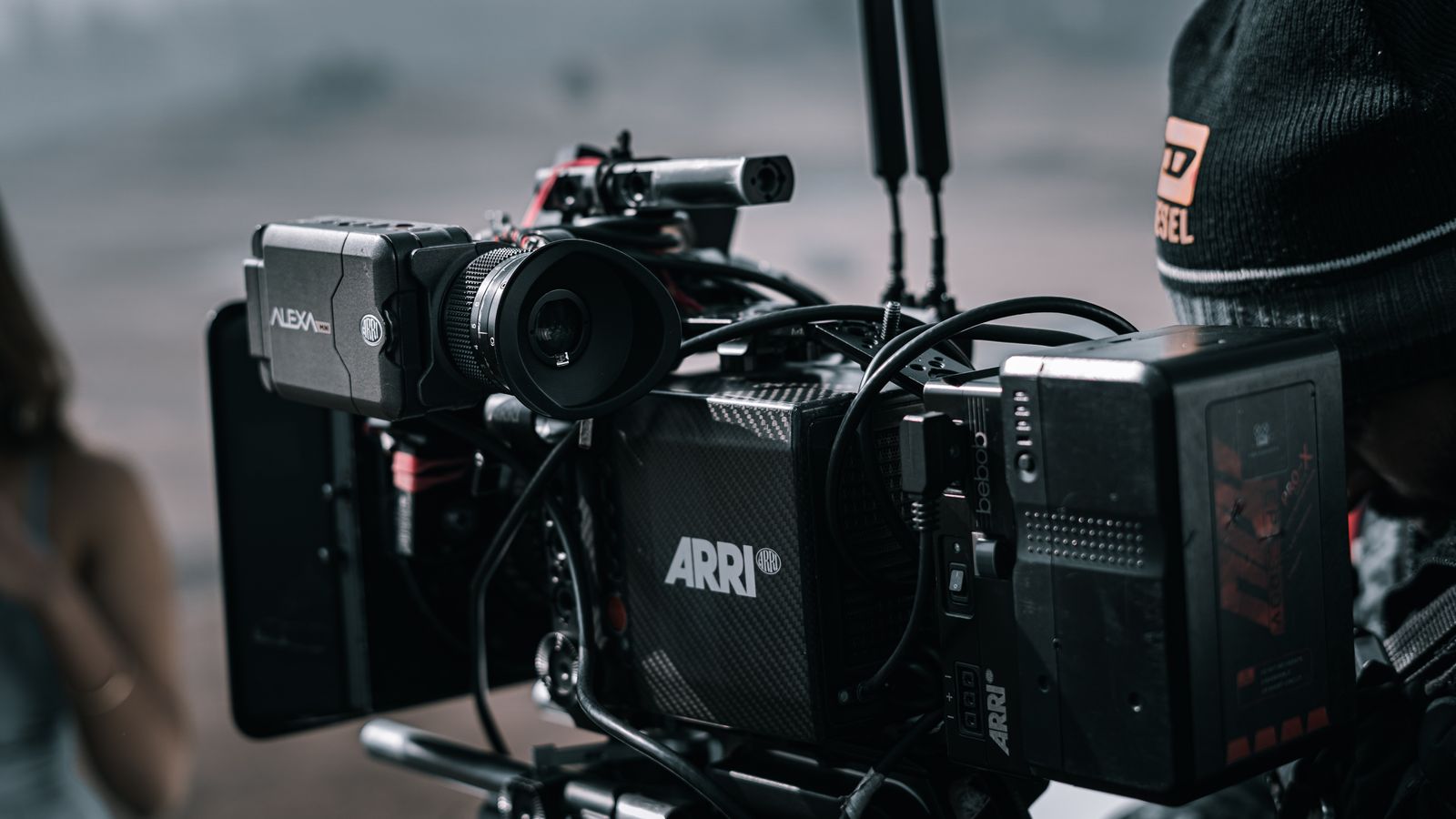
Mile 1 Media is a video production studio in Palm Beach Gardens that builds monthly video systems and one-off shoots for service businesses and regional brands across South Florida. We keep getting the same question on discovery calls: a business is holding a cheap quote from a solo freelancer and a higher one from a studio, and wants to know what the gap buys. We watch what happens to the work afterward on YouTube and social, so we answer it every month.
The costly mistake we see is picking on sticker price alone. A business hires the lowest bid, the solo videographer vanishes for three weeks during a launch, and the campaign misses its window. The spend was small. The missed window was not. Below is what each option does well, where each breaks, what our pricing looks like, and who should hire which. Some of it argues against our own interest.
The short answer for a South Florida business
Hire a freelance videographer for a single, well-defined video where you already know the shot and the deadline is soft. Hire a production studio when the work is ongoing, the video has to convert, or a missed date costs real money. The freelancer sells hours. The studio sells a result and the system behind it.
The decision flips on three things: how repeatable the work is, what a slip costs you, and who is accountable when one person gets sick.
What you are actually choosing between
A freelance videographer
A freelancer is one person who owns a camera and an edit suite and rents out their time. On a good day they are fast, cheap, and easy to book, with no account manager in between. Many South Florida freelancers came up shooting weddings or real estate walk-throughs, and platforms like Instagram made the one-person operator viable. The limit is arithmetic. One person can hold the camera, direct the client, or cut the edit, but not all three at once. When a job needs a second set of hands, they subcontract a friend you never met or drop the part they are weakest at.
A production studio
A studio is a team and a process wrapped around the same cameras. You get a producer who plans the shoot, a shooter or two on the day, and an editor who never touches the client. The pitch is not better gear. The gear is often identical. The pitch is that the work does not depend on one person having a good week, and that someone is paid to ask why the video exists before anyone presses record. We plan the video around what you are selling, then shoot it. You can see how that works across our video production services.
The honest downside is cost and speed. A studio carries overhead a freelancer does not, and coordinating a team takes longer than one person grabbing a camera. For a simple job, that overhead buys you nothing.
Where each one breaks
The useful comparison is not who is better. It is what fails, and what that failure costs.
The freelancer becomes a single point of failure
The most expensive freelance failure is disappearance. One person gets sick, takes a better gig, or loses the footage, and there is no one behind them. A studio has redundancy by design. If your video is tied to a launch or the winter tourist season in Palm Beach County, that solo dependency is the risk that bites. We have picked up half-finished projects where the freelancer stopped answering and the client paid twice.
One person hits a quality ceiling
A single operator caps out at their weakest skill. Strong shooters are often mediocre editors, and the reverse. A studio splits those jobs between people who each do one well. This matters most for anything that has to sell, like corporate video production or a paid ad, where a weak edit quietly kills the conversion you paid to shoot.
A studio is overkill for a simple job
Here is the failure that runs against our own interest: a studio is the wrong call for a one-off, low-stakes shoot. If you need a single ninety-second founder intro and you already know what you want, a full studio means paying for planning you do not need. A competent freelancer does that faster and for less. We turn this work away and point people to a freelancer when that is the honest answer.
Scope creep with no contract behind it
Freelance jobs break at the edges, where nobody wrote down what was included. The client asks for two extra cutdowns for LinkedIn, the freelancer says yes to keep the peace, and resentment builds until the relationship sours. Studios run on scoped contracts, which protect both sides. That structure is slower than a handshake.
What each one costs
We can only give honest numbers for our own side. Freelance rates in South Florida vary too widely for us to quote a figure we could stand behind, and we will not invent one. A freelancer bills a day rate or a flat per-video price, and a studio prices the outcome. Below is what we publish, so you can compare against any freelance quote. The typical column is where projects commonly land in our experience.
| Scope | Low | Typical | High | What drives the cost |
|---|---|---|---|---|
| Testimonial video | $1,500 | $2,500 | $3,500 | Customers filmed, half or full shoot day |
| Brand film | $3,500 | $5,500 | $8,000 | Scripting, locations, cast, edit complexity |
| Commercial or ad spot | $5,000 | $9,000 | $15,000 | Paid-media use, talent, number of cutdowns |
| Event coverage | $3,500 | $5,000 | $7,000 | Hours on site, number of shooters, turnaround |
| Monthly content system | $3,200/mo | $4,500/mo | $6,500/mo | Shoot days per month, number of deliverables |
| Aerial or drone add-on | $800 | $1,200 | $2,000 | Licensed pilot, flight permissions, edited or raw |
One thing to understand before you compare: aerial work is not a gap you close by hiring a cheaper shooter. Legal drone work for a business requires an FAA Part 107 certificate, and a freelancer flying without one is a liability you inherit. Every rate sits on our video production pricing page. What the monthly system buys that a per-video freelancer cannot is a steady drip of cuts you post every week rather than one file and a long silence.
Who should hire which
Hire a freelancer if the job is one clear video, the stakes are low, your budget is tight, and a two-week slip would not hurt you. That covers a lot of good work: a simple social clip, a straightforward interview, a real estate walk-through. A solo shooter is the right spend, and we would say so on the call.
Hire a studio if the work is ongoing, the video has to convert, the deadline is hard, or you want someone accountable for whether it performed. A monthly social media video production program is the clearest case, because it needs a repeatable process no one person can sustain.
The disqualifier, plainly: if you want the cheapest possible file and you do not care whether it drives a result, do not hire a studio, and do not hire us. You will overpay for planning you do not value, and a freelancer will make you happier.
Quotable: The freelancer sells you hours. The studio sells you a result and the system that keeps it coming. Buy the one that matches what a missed deadline would actually cost you.
What this looks like in practice
Here is the decision as it usually plays out for a Palm Beach County service business, drawn from the pattern we see rather than one named client. A med spa wants video. They get a freelancer quote at a flat per-video rate and a studio quote for a monthly system in the $3,200 to $6,500 range. The freelancer is cheaper for one clip. Their real problem is that they need to post every week to stay visible, and they have no one to run it.
If they only ever needed one launch video, the freelancer wins on price and we would say so. Because they need twelve months of posting tied to their busy season, the monthly system solves the problem, and the per-video math stops favoring the freelancer around the third or fourth video. The failure we watch for either way is the video that gets shot and then never posted.
Trust band
Written and reviewed by the Mile 1 Media production team, a video studio based in Palm Beach Gardens, Florida, working with service businesses and regional brands across South Florida. We write from the shoots we run and the analytics we review each month. Last reviewed August 19, 2026.
Questions to ask before you hire either one
Ask these of any freelancer or studio, and listen for the gap between a strong answer and a red flag.
- What happens if you get sick the week of my shoot? Strong: a named backup shooter and editor. Red flag: a vague "we will reschedule."
- Who owns the raw footage and final files? Strong: in writing that you do. Red flag: hesitation, or a fee to release your own footage.
- Can you fly a drone legally for a business? Strong: names an FAA Part 107 certificate. Red flag: "sure, I have a drone."
- What is included, and what triggers an extra charge? Strong: a written scope with revision limits. Red flag: "we will figure it out."
- How do you decide the video worked? Strong: the goal and the numbers the month after. Red flag: only how the footage will look.
Frequently asked questions
Is a freelance videographer always cheaper than a studio?
For a single video, usually yes. A solo operator carries less overhead, so one clip almost always costs less. The math changes with volume. Across a year of regular content, a per-video freelance rate often meets or passes a monthly studio system around the third or fourth video, and you still carry the coordination yourself.
How much does a production studio cost in South Florida?
Our published ranges run from $1,500 for a testimonial video to $15,000 for a full commercial, with a monthly content system between $3,200 and $6,500 a month. What moves the number is scope: shoot days, deliverables, talent, locations, and how the video is used. Paid-media use pushes cost up because the production standard and licensing are higher.
Do I need a written contract with a freelancer?
Yes. A short written scope is the cheapest protection you can buy, and its absence is where most freelance relationships sour. Put the deliverables, revision count, deadline, and footage ownership in writing before the shoot, so a friendly job does not turn into a fight over two unpriced cutdowns.
What does the extra studio cost actually buy me?
Redundancy, a repeatable process, and someone accountable for the result. You pay for a team where no single person's bad week stops your project, an editor separate from the shooter, and a producer who plans the video around a goal. For a simple one-off, none of that is worth paying for. For ongoing work, it is the point.
Can I start with a freelancer and move to a studio later?
Yes, and many businesses should. Use a freelancer to test whether video earns its keep at low cost. When coordination becomes a job in itself, or a video needs to carry real revenue, move to a studio, keeping ownership of your footage so nothing gets stranded.
Related reading
- Video Production Retainer vs Per-Project: A Year Compared: the money version of this decision, run over twelve months.
- Seven Mistakes Businesses Make Hiring a Videographer: the specific traps that catch buyers on either path.
- How Much Does Video Production Cost in South Florida?: the full pricing picture behind the table above.
What happens when you call
If you are unsure which fits, that is what a discovery call is for, and we will point you to a freelancer if that is the right answer. How it goes:
- You book a free 20-minute discovery call and tell us the video you have in mind.
- We ask what the video is for and what a missed deadline would cost, then say plainly whether a freelancer or a studio fits. Same call.
- If a studio fits, we send a scoped quote against our published pricing within a few business days.
Book that call on our contact page whenever you are ready.
Keep reading

Ready to put video to work for your business?
Mile 1 Media plans, shoots and edits video for South Florida businesses. Tell us what you are trying to achieve and we will map out the shoot.
Book a free discovery call