Corporate Video vs Commercial: Which One Does Your South Florida Business Actually Need?
Corporate video builds trust over time. A commercial sells one thing fast. Here is how South Florida businesses tell which they need, and what each costs.
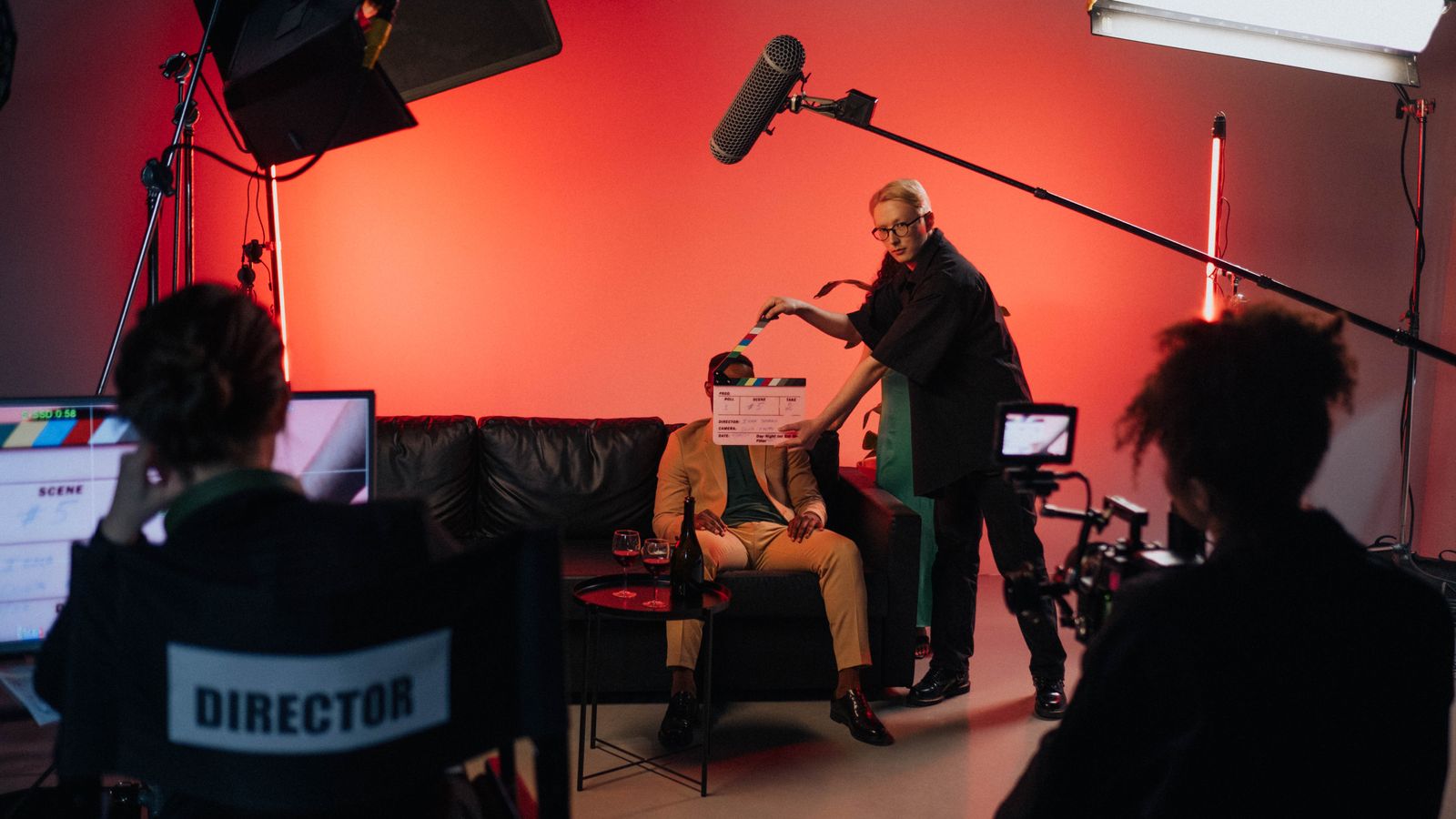
Most weeks, someone calls us wanting a "commercial," and it turns out they need a corporate video. The reverse happens too. A business books a warm brand film, then wonders why it did nothing for the paid campaign it was meant to feed. The two formats look alike on a call sheet and cost real money to get wrong. We are Mile 1 Media, a video production studio in Palm Beach Gardens that builds monthly video systems and one-off shoots for service businesses and regional brands across South Florida.
"Corporate video vs commercial" is one of the most common questions we field before a project starts, and the honest answer changes what you spend and where the finished video belongs. Across the shoots we run each month, one pattern repeats: the format that fits the job beats the format that fit the budget. Here is how the two differ, what each costs, and the decision that settles it.
A corporate video builds trust with people who already know you, and it stays useful for a year or more. A commercial sells one thing to people who do not know you yet, and it runs hardest during a campaign. The right format follows from the job the video has to do, and the budget question tends to answer itself.
The one distinction that settles most of these calls
Almost every corporate-versus-commercial question comes down to two variables: who is watching, and how long the video needs to stay relevant. A corporate video speaks to an audience that already knows you, such as prospects mid-decision or new hires, and it earns its keep slowly across many months. A commercial speaks to cold viewers you pay to reach, and it moves one metric inside a defined window. With those two clear, the format usually picks itself.
What a corporate video production is built to do
A corporate video explains who you are and why you can be trusted. It covers brand films, about-us pieces, recruiting videos, and executive messages. On our pricing sheet it is scoped as a brand film: script development, a longer shoot day, and motion graphics that carry a story. This is the core of our corporate video production work, and the format clients underestimate.
Corporate videos live where people research you before they commit: your website, your sales follow-up, and your YouTube channel, where a two-minute brand film can still pull views a year after the shoot. One good corporate video keeps working long after the invoice is paid.
They also carry weight in hiring. A recruiting or culture video posted to LinkedIn answers the quiet question every candidate has, which is what it feels like to work with you. That job never expires.
What a commercial video production is built to sell
A commercial has one job: get a cold viewer to take a single action. It is shorter, sharper, and written around one offer with one call to action. It usually needs a bigger crew, sometimes licensed talent, and almost always paid-media usage rights. Our commercial video production projects price higher than corporate work for those reasons, and the spend only makes sense with media budget behind the spot.
Commercials earn their return during a campaign. They run as pre-roll and paid placements through platforms like Google Ads, where a thirty-second cut works against a defined budget and date range. Outside that window, a commercial ages faster than a corporate video.
They also live in the feed. A commercial built for paid social on Instagram is made to be watched muted and skipped in a second, so the first frame and the on-screen text do most of the selling. A brand film, by contrast, is built for two unhurried minutes.
One point people skip: if a commercial makes a results claim or uses a customer endorsement, the Federal Trade Commission endorsement rules govern what you can say. We flag that during scripting so a spot is not pulled after it launches.
Advantages and disadvantages, answered as the objections we hear
"Won't a commercial just do more, since it costs more?" Not for a warm audience. A commercial pointed at people who already know you feels like an ad when they wanted reassurance. The strength of a corporate video is trust and shelf life. Its weakness is that it rarely produces a fast spike.
"Then why not run a corporate video as an ad and save on both?" Because a brand film with no clear offer underperforms as paid media. A commercial's strength is speed and a measurable result inside a campaign. Its weakness is that it dates quickly once the media spend stops.
Video production pricing for each format
Numbers make the tradeoff concrete. These are our published starting ranges, and all of them are starting points, not ceilings. Full figures and what sits inside each package are on our video production pricing page.
| Format | Starting range | What moves the price | Best used for |
|---|---|---|---|
| Corporate video, scoped as a brand film | $3,500 to $8,000 | Script development, shoot-day length, motion graphics | Trust, hiring, investor and about-us storytelling |
| Commercial or ad spot | $5,000 to $15,000 | Crew size, licensed talent, paid-media usage rights | Paid campaigns built around one clear offer |
| Testimonial video | $1,500 to $3,500 | Interviews, lighting setup, number of locations | Proof in a customer's own words |
| Event coverage | $3,500 to $7,000 | Hours on site, number of operators, edit turnaround | Conferences, launches, recap films |
| Monthly content system | $3,200 to $6,500 per month | Output volume, shoot days, editing tier | Steady social output across a full year |
The gap between the two headline numbers is not a quality gap. A commercial costs more because it carries a bigger crew, often paid talent, and usage rights. A corporate video costs less at the door and returns its value over a longer stretch. Comparing them on price alone leads to the wrong choice.
Who should choose which
A corporate video fits when buyers research before they commit, when hiring good people matters, or when you want an asset that stays relevant for a year with no media budget behind it. Professional services, healthcare practices, and B2B firms around West Palm Beach usually get more from a brand film than a spot. A commercial fits when you have a specific offer, a campaign window, and real money to run it as paid media, the shape of retail, hospitality, and product launches, where a Palm Beach hospitality brand often times a spot to the winter season. With no ad budget behind it, a commercial is an expensive video almost nobody sees.
Quotable: A commercial with no media budget behind it is just an expensive video nobody watches, and a corporate video forced into a paid campaign is a slow story running where people wanted a fast offer.
Strategy comes before the format choice
The format is the second decision. The first is what the video needs to change and for whom, which is the work our media strategy process handles before a camera comes out. When the goal is clear, the format argument usually ends on its own.
When a freelancer or in-house team is the better fit
We will say plainly when neither package is the right buy. For one simple talking-head clip with no story to build, a capable freelance videographer costs less than a studio and does the job. For high volumes of routine weekly social video, an in-house hire can be cheaper over a year than any outside partner. We fit best when the work needs planning, a crew, and a video that has to perform against a real goal.
How we scope a video production project
Every project starts by naming the outcome, the audience, and where the finished video will run, then choosing corporate, commercial, or a mix. The full menu of packages sits on our video production services page, and a scope call maps your goal to the right line.
A representative project, and what it included
A common project in Palm Beach County: a professional services firm asks for "a commercial," and after the goal conversation the real need is a brand film for the website plus short cuts for social. We scope it as a corporate video in the $3,500 to $8,000 brand-film range, shoot it in a day, and cut one anchor film plus vertical clips. The anchor film needs no media budget to keep working, because it lives on the site and in sales follow-up.
Questions that separate a strong studio from a weak one
Before booking either format, these questions surface whether a studio thinks about the goal or just the shoot.
- "What will this video be measured against?" A strong answer names an outcome, such as replies to a hiring post or completed views on a paid spot. A weak answer talks only about resolution and gear.
- "Does the quote include paid-media usage rights?" A strong answer names which platforms and how long the rights last. A weak answer is vague, which becomes a problem the day you run the spot as an ad.
- "How many usable cuts come out of one shoot day?" A strong answer explains how the footage becomes an anchor video plus social versions. A weak answer promises one deliverable and no reuse.
- "What happens if the first cut misses?" A strong answer states how many revision rounds are included. A weak answer leaves revisions undefined until the invoice arrives.
This piece covers the choice between the two formats and our published ranges. It does not set your media budget or write your campaign plan. Author: Reagan Cotton, owner of Mile 1 Media, Palm Beach Gardens, Florida. Last reviewed August 31, 2026.
Frequently asked questions
What is the actual difference between a corporate video and a commercial?
The audience and the shelf life. A corporate video speaks to people who already know you and stays useful for a year or more. A commercial speaks to cold viewers you pay to reach and runs hardest during a campaign. Same cameras, different job, different lifespan.
Can one video work as both?
Rarely, and usually not well. A brand film asks for two unhurried minutes, while a commercial has to sell in thirty seconds to a distracted viewer. A better route is one anchor corporate video plus short commercial cuts from the same shoot day.
What happens if we run a commercial with no media budget behind it?
It underperforms, because a commercial is engineered for paid distribution. With no ad spend it reaches almost nobody, the most common way we see a video budget wasted. With no media budget, a corporate video that lives on your site is the better use of the same money.
How long does each format take to produce?
Both often shoot in a single day. The difference is planning and editing. A commercial needs tighter scripting, sometimes casting, and usage-rights paperwork before the shoot. A corporate video spends more time on story up front. Delivery under two weeks adds a rush surcharge on our sheet.
What if the first edit is not what we pictured?
That is what revision rounds are for, which is why the number of included rounds belongs in the quote before you sign. A strong brief and a script review before the shoot prevents most misses.
Which format helps with hiring?
A corporate video, specifically a recruiting or culture piece. It answers what working with you feels like, the question every candidate has and no job post answers. A commercial sells a product to buyers, so it is the wrong tool for hiring.
Related reading
- What Does a Corporate Video Cost in Palm Beach County? (2026 Pricing) for a full breakdown of what sits inside the brand-film range.
- How Much Does a Commercial Video Cost in South Florida? (2026 Pricing) for the drivers behind the higher commercial range.
- In-House Video Team vs Production Company: Which Fits Your Business? for the build-versus-buy version of this decision.
The one thing to get right first
The first decision is what the video has to change and for whom, ahead of formats or run times. That single answer decides corporate or commercial faster than any spec sheet, and it is the step most businesses skip. A short discovery call is where we map your goal to the format that fits.
Keep reading


Ready to put video to work for your business?
Mile 1 Media plans, shoots and edits video for South Florida businesses. Tell us what you are trying to achieve and we will map out the shoot.
Book a free discovery call